What's inside
AI-200 doesn't test whether you can write code. It tests whether you can choose and use the right container platform, data store, messaging service and security option for an AI application on Azure.
This independent study guide for the Microsoft Certified: Azure AI Cloud Developer Associate exam distils what AI-200 really expects you to understand into the comparisons, configuration choices and traps that cloud developer decisions turn on. AI-200 replaced AZ-204 for the cloud developer role in 2026, and the book is written for the new exam's focus on containers, vector-capable data services and event-driven AI back ends, with Python examples throughout.
Organised by technology
Twelve chapters, each readable on its own and together covering all four AI-200 skill areas:
- Containers: Azure Container Registry and ACR Tasks, containers on App Service, Azure Container Apps revisions, secrets and KEDA scaling, AKS manifests, and troubleshooting both platforms.
- Data for AI apps: Azure Cosmos DB for NoSQL with indexing, consistency levels, vector search and the change feed; Azure Database for PostgreSQL with pgvector and DiskANN; and Azure Managed Redis for caching and vector search.
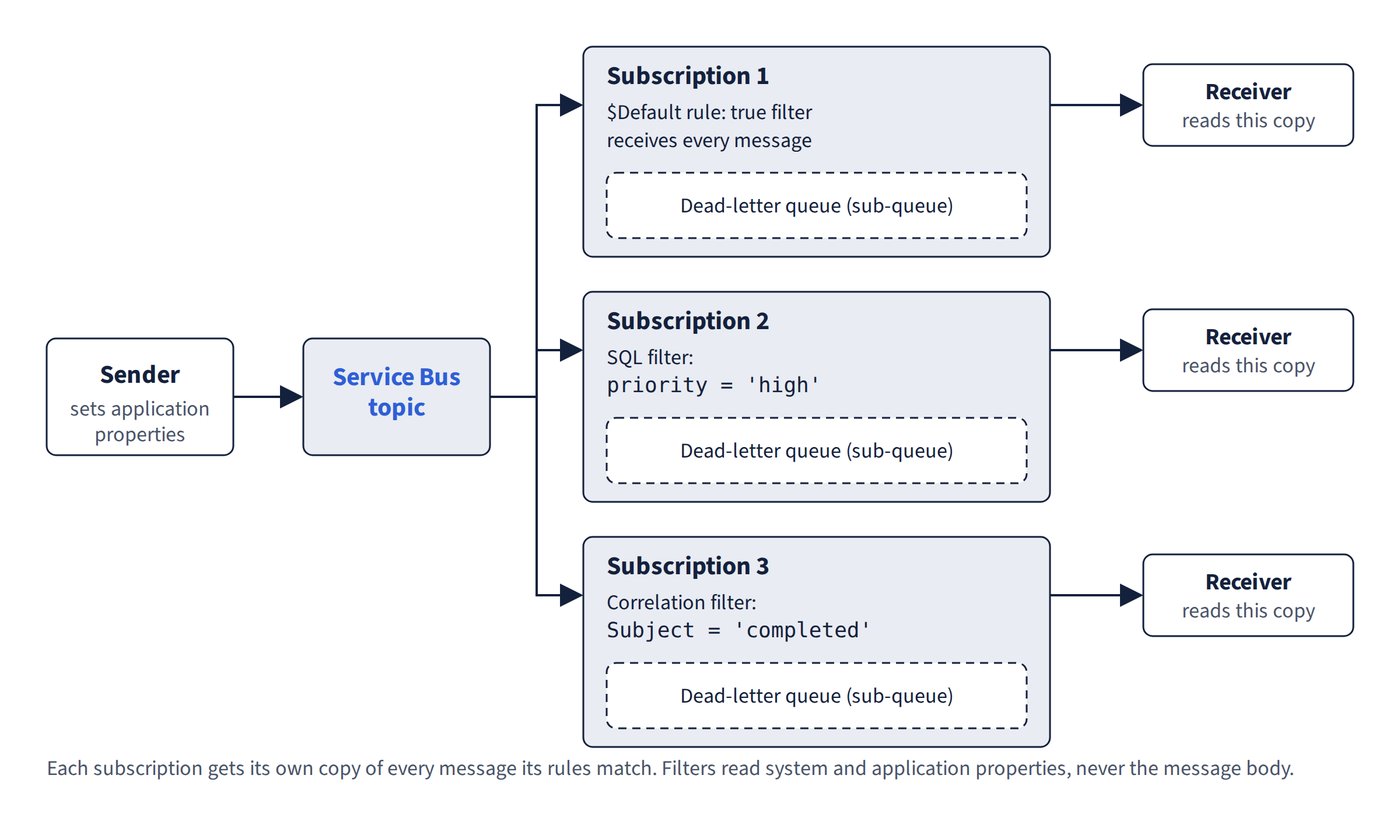
- Messaging and serverless: Service Bus queues, topics, sessions and dead-lettering; Event Grid filters, retries and dead-lettering; Azure Functions triggers, bindings, hosting plans and deployment.
- Security and observability: Key Vault access and rotation, App Configuration and feature flags, OpenTelemetry tracing with Application Insights, and KQL.
Inside
- Comparison tables for every close call, such as which hosting plan, which consistency level, which vector index or which messaging service fits a requirement.
- 120+ Common trap callouts that name the answers that look right but aren't, and explain what's right instead.
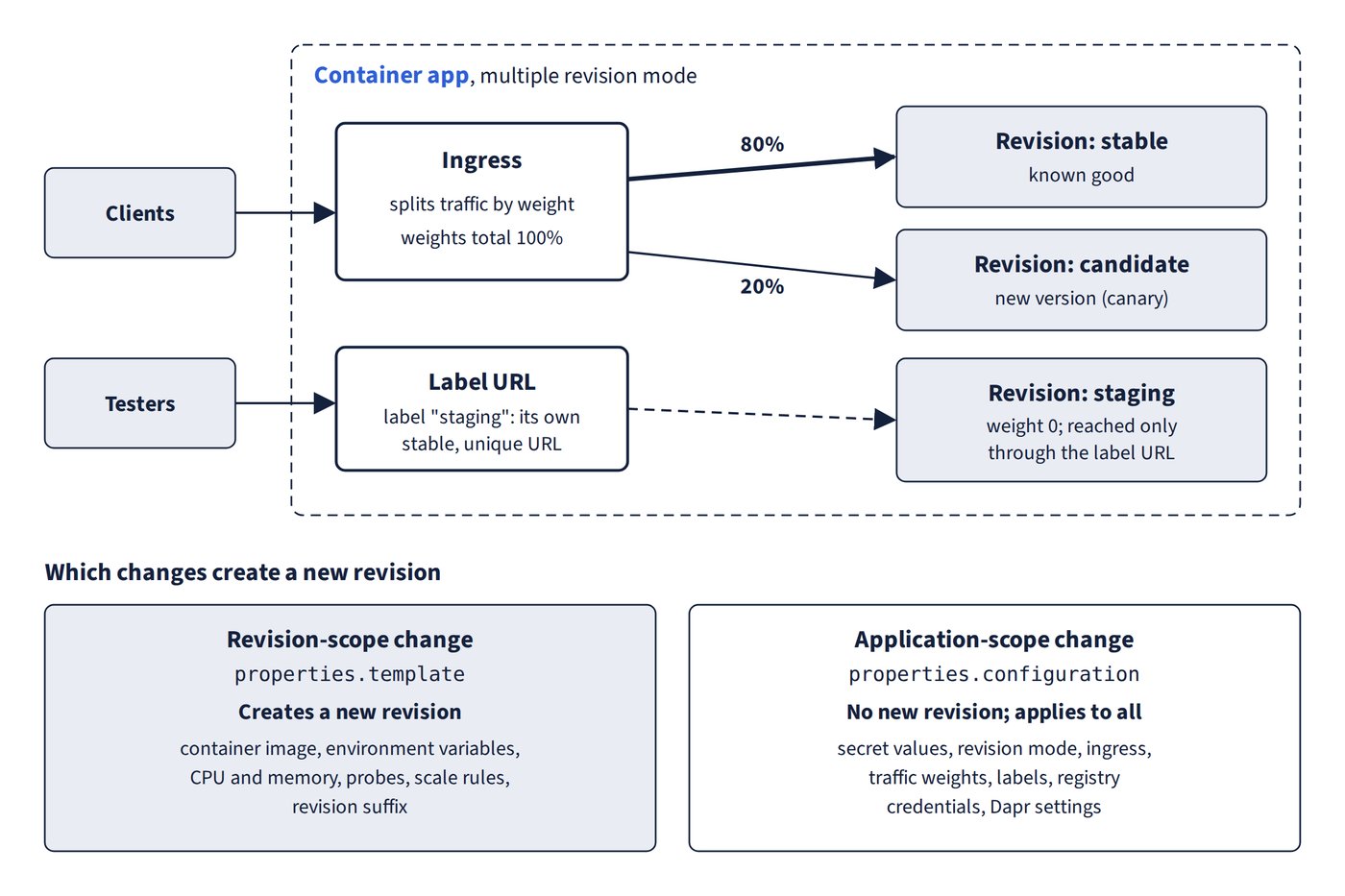
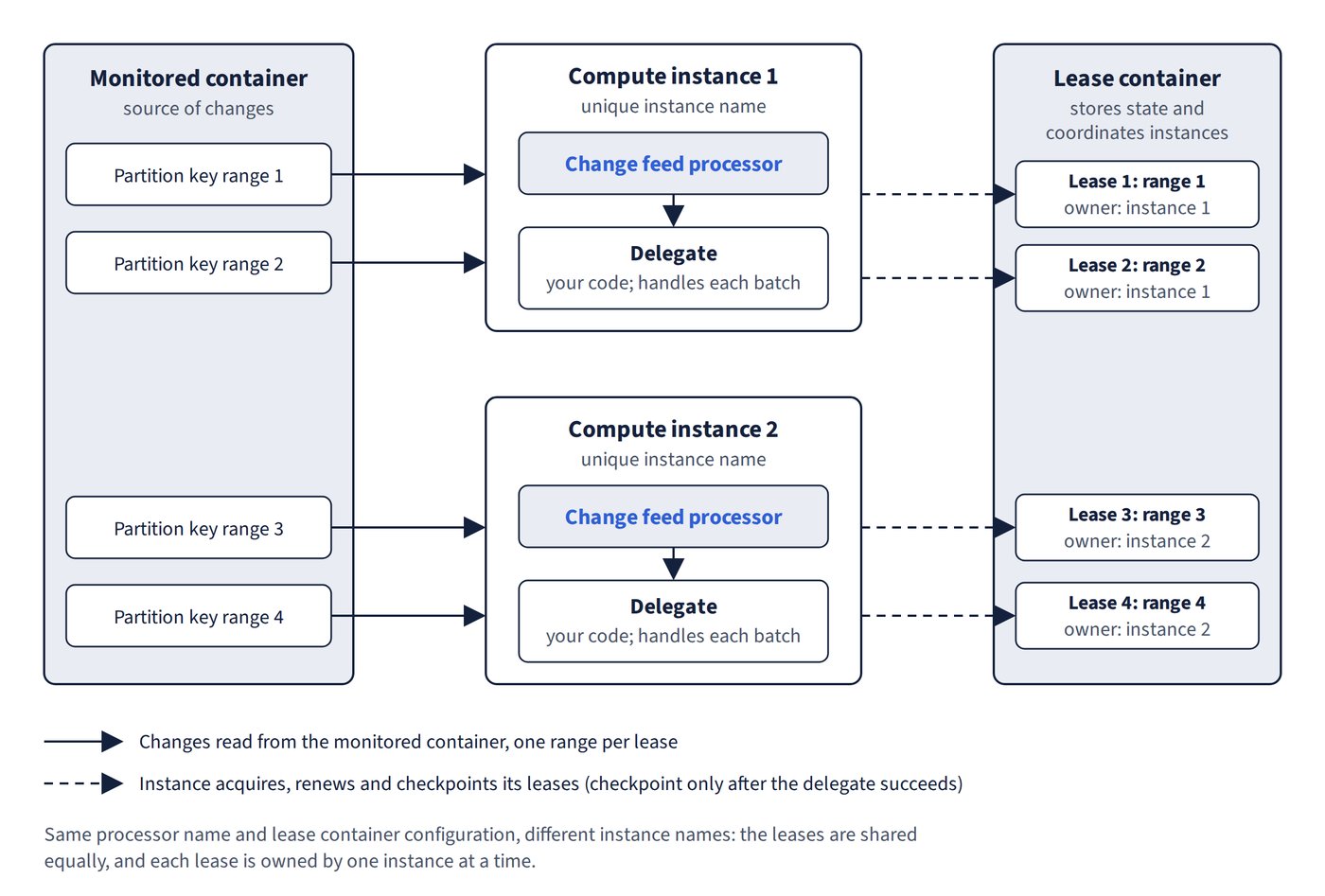
- 11 diagrams, from revision traffic splitting and KEDA scaling to the change feed processor, filtered RAG retrieval and distributed tracing.
- Key takeaways at the end of every chapter for fast revision.
- A glossary of nearly 280 terms, each linked to Microsoft Learn, with a free online version for print readers.
Up to date
Azure changes quickly. This edition reflects Microsoft's documentation as of October 2026, including the retirement of Azure Cache for Redis in favour of Azure Managed Redis, the end of SBMP for Service Bus and the Linux Consumption plan's path to Flex Consumption.
Understanding, not memorising
This book contains no exam questions. It explains the knowledge the exam expects, so you can answer questions you have never seen and apply the same judgement to real AI applications.
Written by Tony Rough, a cloud architect with more than twenty years in IT infrastructure who holds the Azure Solutions Architect Expert, Azure Administrator and Azure Security Engineer certifications.
Part of the Ultra Transcenders series from Distilled Press. An independent publication, not affiliated with, sponsored by or endorsed by Microsoft Corporation.