What's inside
AZ-900 doesn't test whether you can list Azure products. It tests whether you know what each cloud model, service and tool is for, and which one fits a need.
This independent study guide for the Microsoft Certified: Azure Fundamentals exam distils what AZ-900 really expects you to understand into clear definitions, comparisons and the traps that catch newcomers. It assumes no previous Azure experience and is written to the skills measured as of July 2026.
Organised by technology
Nine chapters, each readable on its own and together covering all three AZ-900 skill areas:
- Cloud concepts: cloud computing, the shared responsibility model, public, private, hybrid and multicloud, pricing models, serverless, and IaaS, PaaS and SaaS.
- Azure architecture: regions, region pairs, sovereign regions, availability zones, resource groups, subscriptions and management groups.
- Core services: virtual machines, scale sets, Azure Virtual Desktop, containers, Functions and App Service; virtual networks, VPN Gateway and ExpressRoute; storage tiers, redundancy and migration tools.
- Identity and security: Microsoft Entra ID, authentication methods, Conditional Access, Azure RBAC, Zero Trust, defence in depth and Microsoft Defender for Cloud.
- Management and governance: cost management, tags, Microsoft Purview, Azure Policy, resource locks, ARM and infrastructure as code, Azure Arc, Advisor, Service Health and Azure Monitor.
Inside
- Comparison tables for every close call, such as which cloud model, which redundancy option or which governance tool fits a requirement.
- 70+ Common trap callouts that name the answers that look right but aren't, and explain what's right instead.
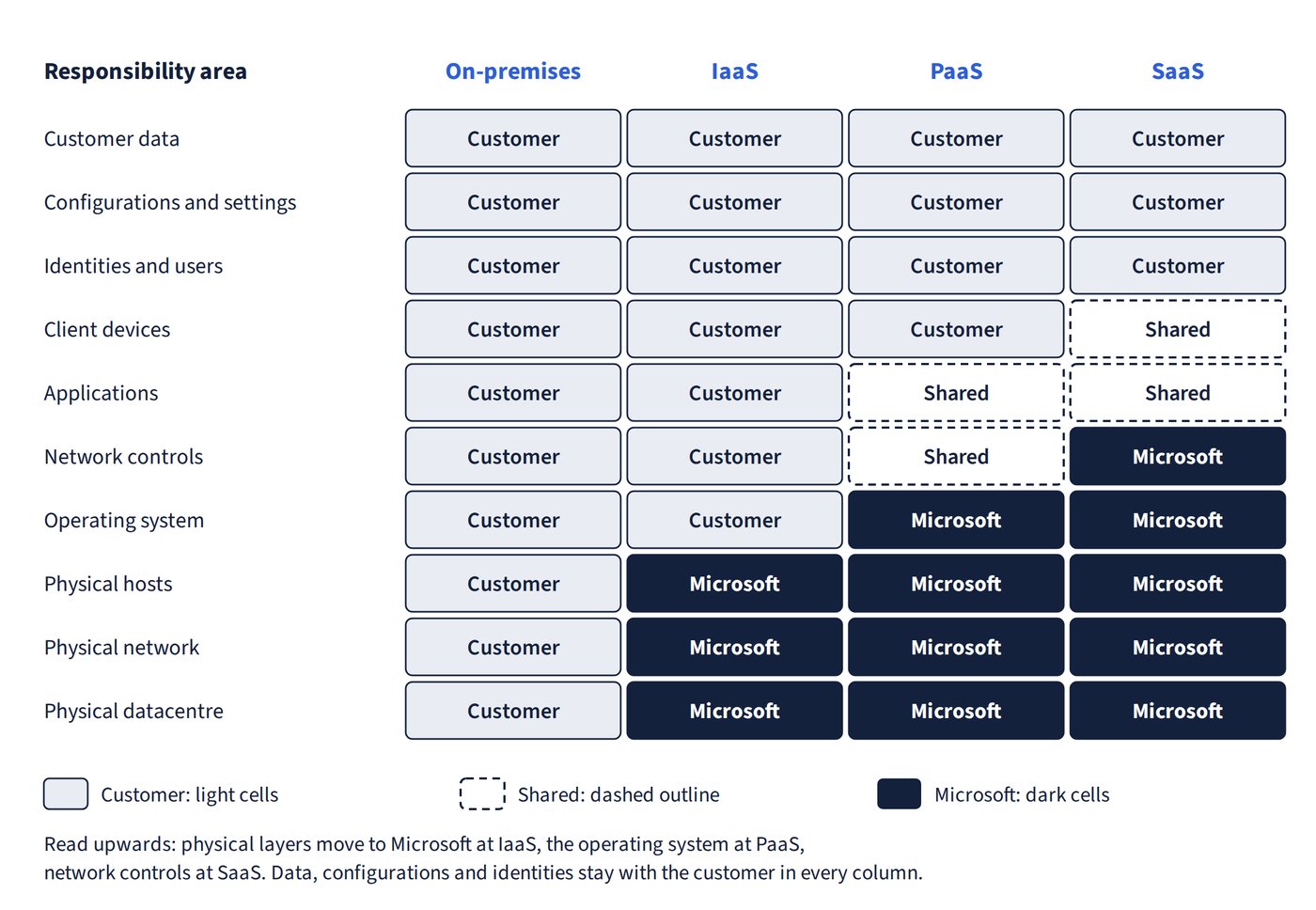
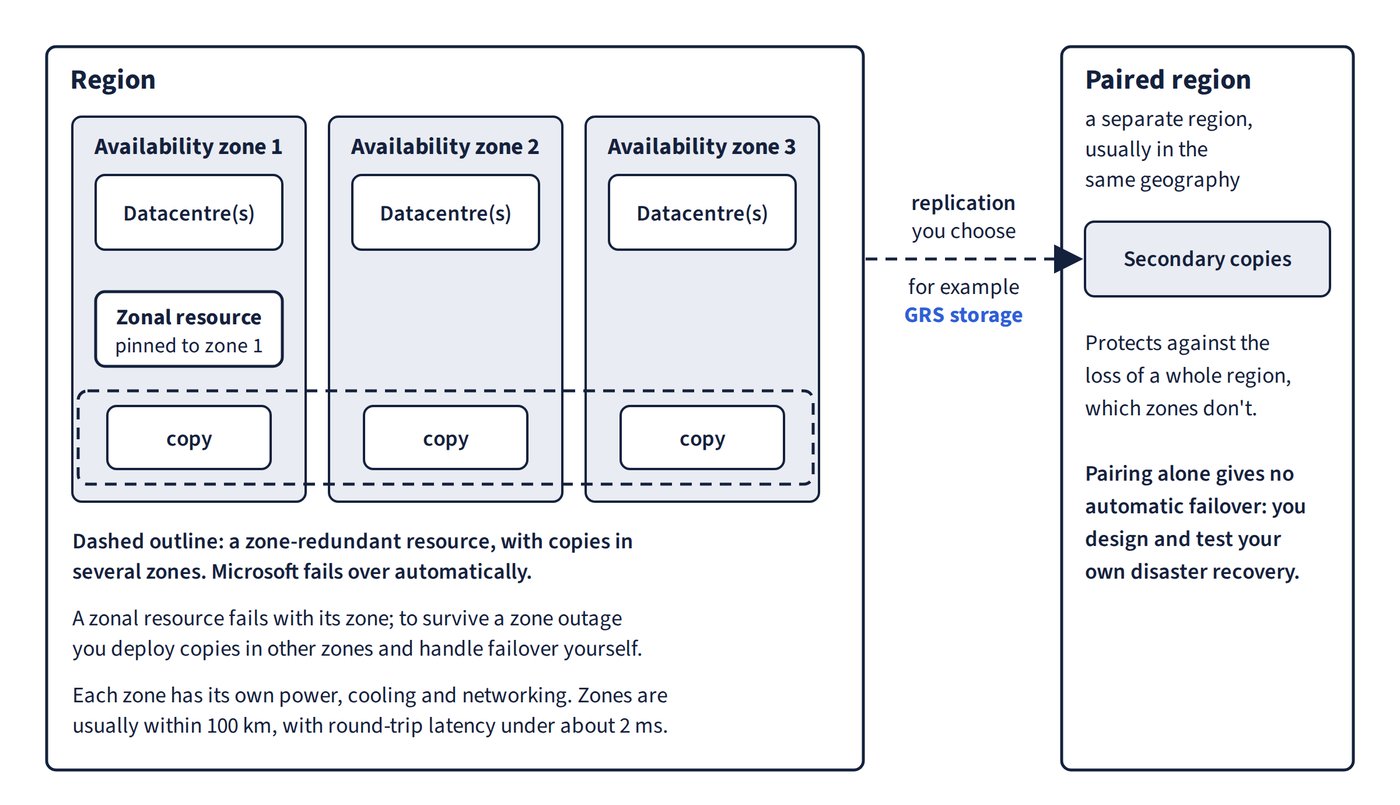
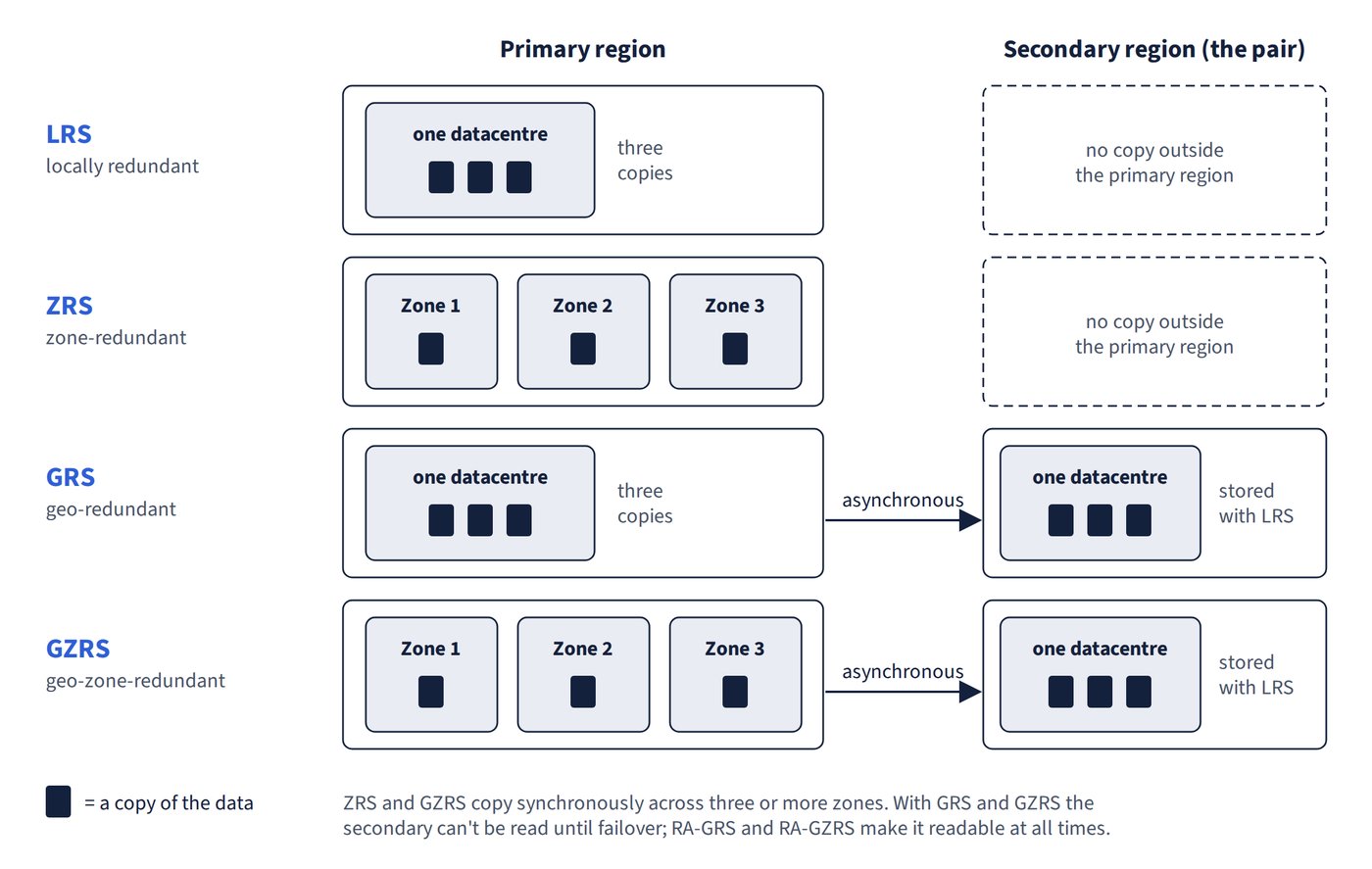
- 9 diagrams, from the shared responsibility model and availability zones to storage redundancy and defence in depth.
- Key takeaways at the end of every chapter for fast revision.
- A glossary of more than 300 terms, each linked to Microsoft Learn, with a free online version for print readers.
Up to date
Azure changes quickly. This edition reflects Microsoft's documentation as of October 2026, including recent changes such as retired storage account types, VPN gateway SKU consolidation and the move to Flex Consumption for Azure Functions.
Understanding, not memorising
This book contains no exam questions. It explains the knowledge the exam expects, so you can answer questions you have never seen and carry the same understanding into AZ-104, AZ-305 and real Azure work.
Written by Tony Rough, a cloud architect with more than twenty years in IT infrastructure who holds the Azure Solutions Architect Expert, Azure Administrator and Azure Security Engineer certifications.
Part of the Ultra Transcenders series from Distilled Press. An independent publication, not affiliated with, sponsored by or endorsed by Microsoft Corporation.