What's inside
DP-700 doesn't test whether you can memorise syntax. It tests whether you can choose the right engine, setting, loading pattern or fix for a data engineering requirement in Microsoft Fabric.
This independent study guide for the Microsoft Certified: Fabric Data Engineer Associate exam distils what DP-700 really expects you to understand into the comparisons, configuration choices and traps that data engineering decisions turn on, with short PySpark, Spark SQL, T-SQL, KQL and pipeline expression examples throughout.
Organised by technology
Fifteen chapters, each readable on its own and together covering all three DP-700 skill areas:
- Implement and manage an analytics solution: capacities and choosing a data store; Spark pools, environments and high concurrency, domain, OneLake and Apache Airflow workspace settings; Git integration, database projects and deployment pipelines; workspace, item, row, column, object and folder-level security, dynamic data masking and OneLake security; sensitivity labels, endorsement and audit logs; orchestration with pipelines, notebooks and Dataflow Gen2, schedules, event-based triggers, parameters and dynamic expressions.
- Ingest and transform data: full, incremental, dimensional and streaming loading patterns; shortcuts, mirroring, pipelines and Copy job; transforming with PySpark, T-SQL and KQL, including duplicates, missing values and late-arriving data; eventstreams, eventhouses, native tables, shortcuts and query acceleration; Spark structured streaming and window types.
- Monitor and optimize an analytics solution: the Monitor hub, workspace monitoring, the Capacity Metrics app and alerts; resolving pipeline, Dataflow Gen2, notebook, eventhouse, eventstream, T-SQL and shortcut errors; optimising lakehouse tables, pipelines, warehouses, eventstreams, eventhouses, Spark and queries.
Inside
- Comparison tables for every close call, such as which engine, which load pattern, which streaming option or which fix fits a requirement.
- 180 Common trap callouts that name the answers that look right but aren't, and explain what's right instead.
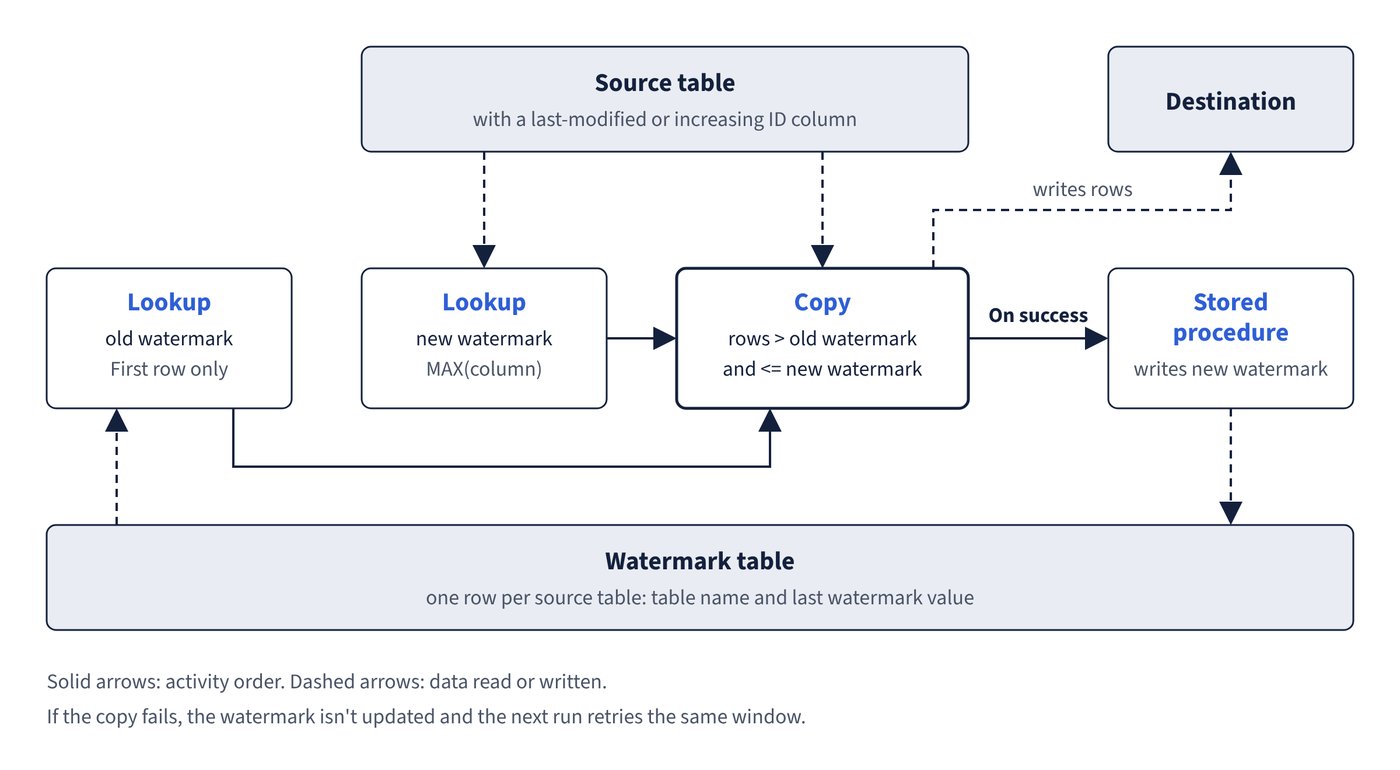
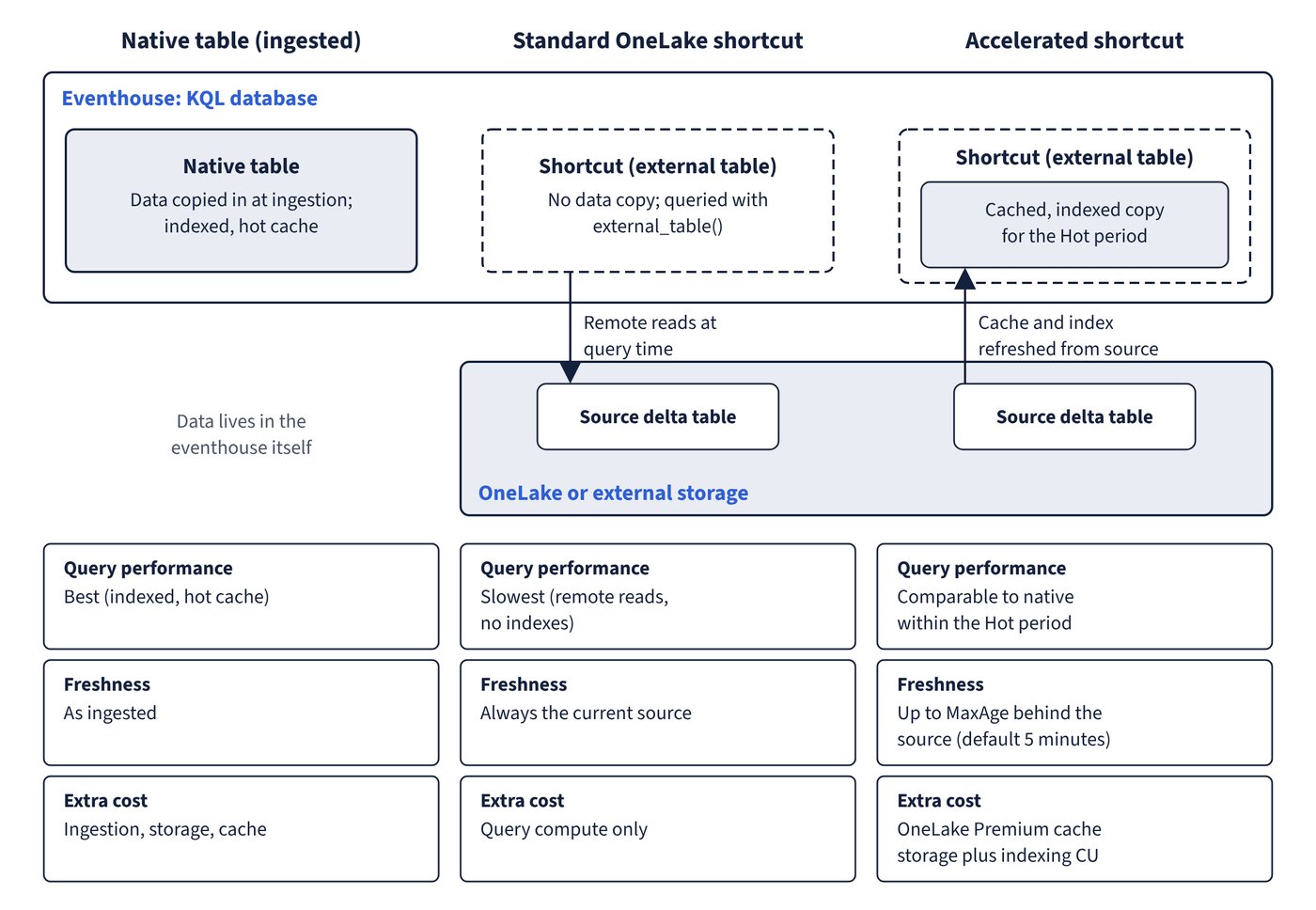
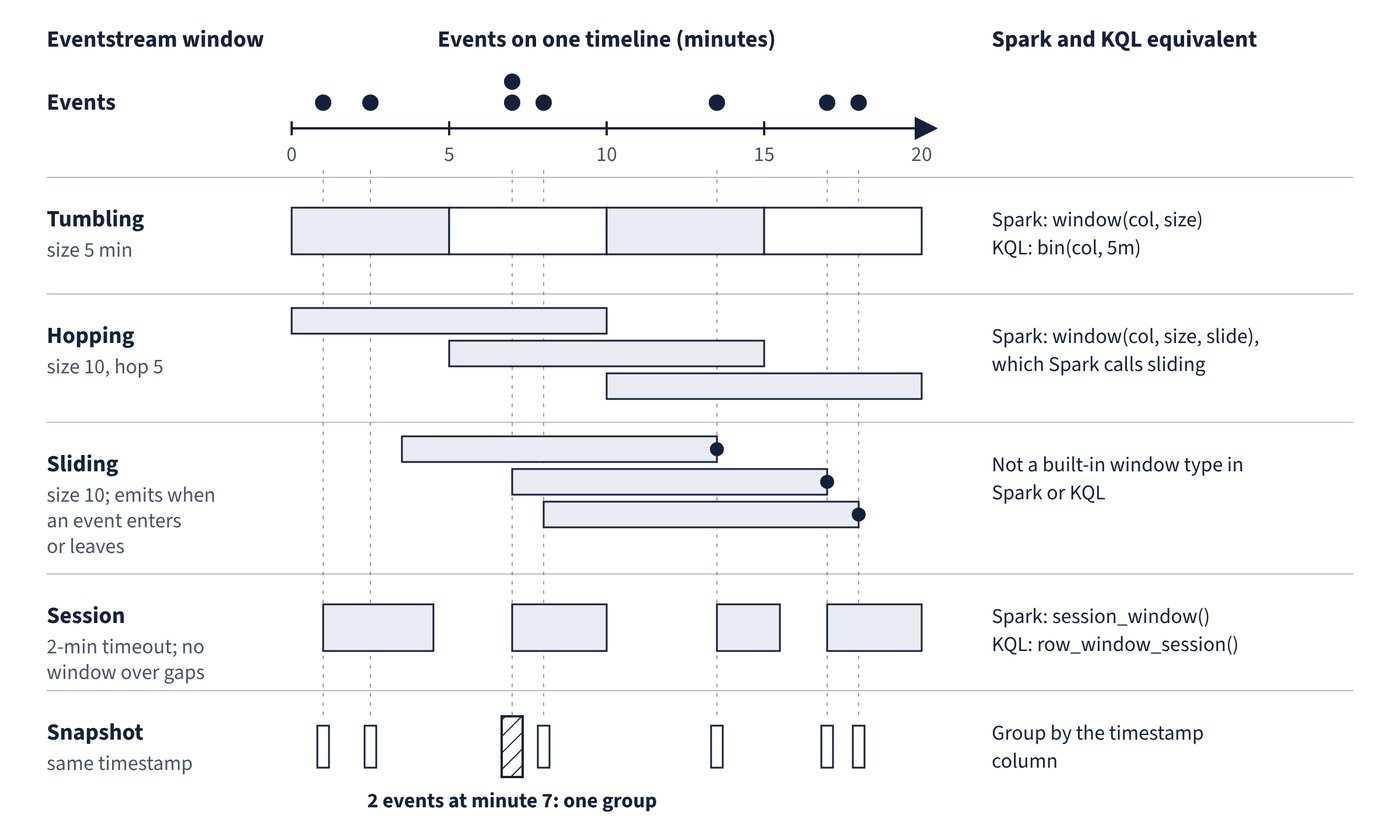
- 14 diagrams, from where Spark settings live and the watermark pattern to OneLake shortcuts, streaming window types and table maintenance.
- Key takeaways at the end of every chapter for fast revision.
- A glossary of more than 400 terms, each linked to Microsoft Learn, with a free online version for print readers.
Up to date
Microsoft Fabric changes quickly. This edition reflects Microsoft's documentation as of October 2026 and the skills measured from 19 October 2026, including Fabric Runtime 2.0, NotebookUtils (formerly MSSparkUtils), Fabric Activator (formerly Data Activator), the Monitor hub and workspace monitoring.
Understanding, not memorising
This book contains no exam questions. It explains the knowledge the exam expects, so you can answer questions you have never seen and apply the same judgement to real data platforms.
Written by Tony Rough, a cloud architect with more than twenty years in IT infrastructure who holds the Azure Solutions Architect Expert, Azure Administrator and Azure Security Engineer certifications.
Part of the Ultra Transcenders series from Distilled Press. An independent publication, not affiliated with, sponsored by or endorsed by Microsoft Corporation.