What's inside
AI-103 doesn't test whether you can call a model. It tests whether you can build, secure and ship AI apps and agents on Azure, and pick the right service every time.
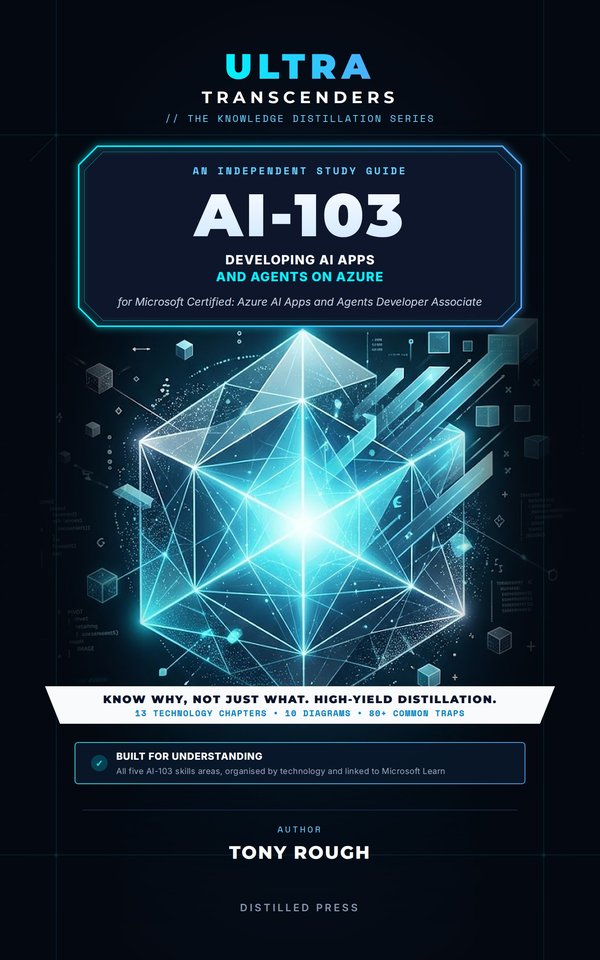
This independent study guide for the Microsoft Certified: Azure AI Apps and Agents Developer Associate exam distils what AI-103 really expects you to understand into the comparisons, design choices and traps that AI developer decisions turn on. AI-103 replaced AI-102 in 2026, and the book is written for the new exam's focus on Microsoft Foundry, agents and generative AI.
Organised by technology
Thirteen chapters, each readable on its own and together covering all five AI-103 skills areas:
- Foundry foundations: resources, projects and deployments, deployment types and upgrade policies, keyless identity and private networking, quotas, monitoring, evaluation and CI/CD.
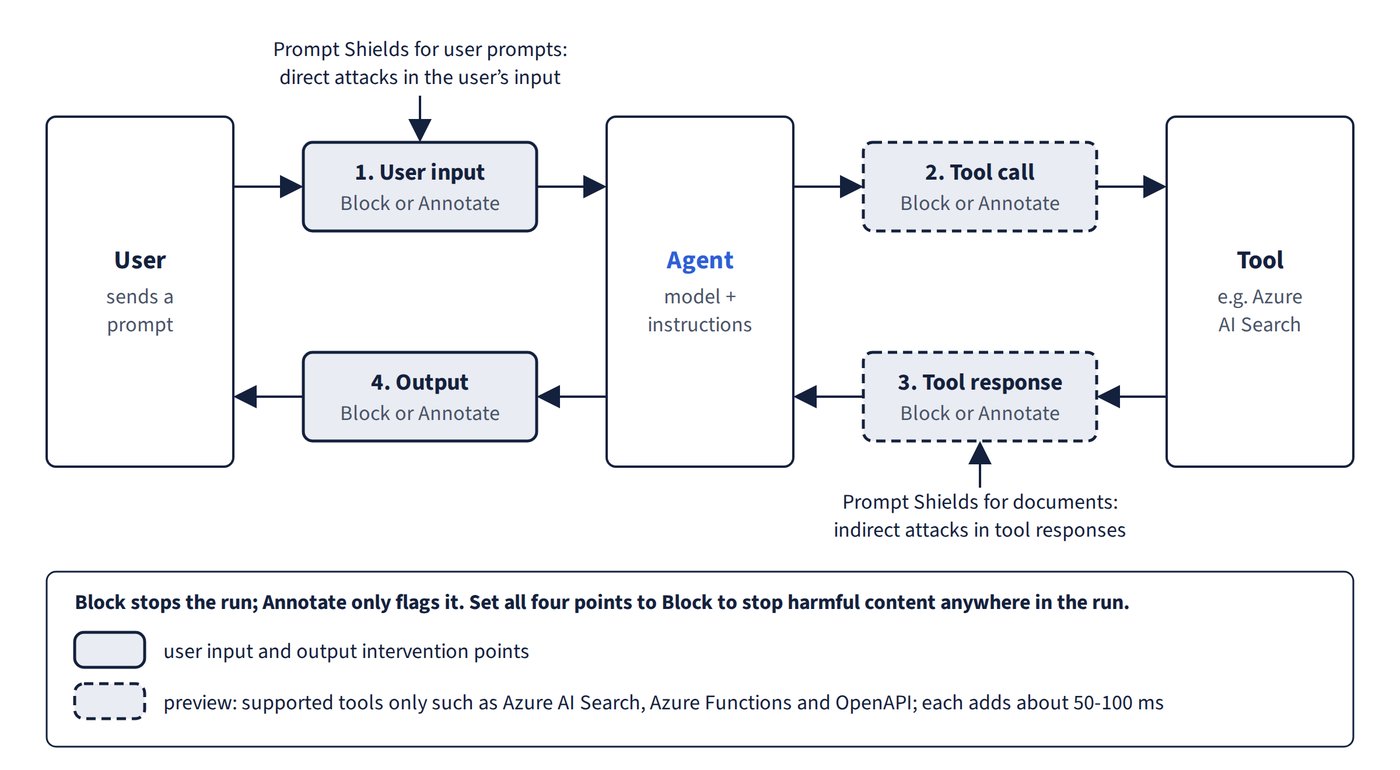
- Responsible and generative AI: guardrails, Azure AI Content Safety and Prompt Shields, prompt engineering, parameters, structured output, model router and fine-tuning.
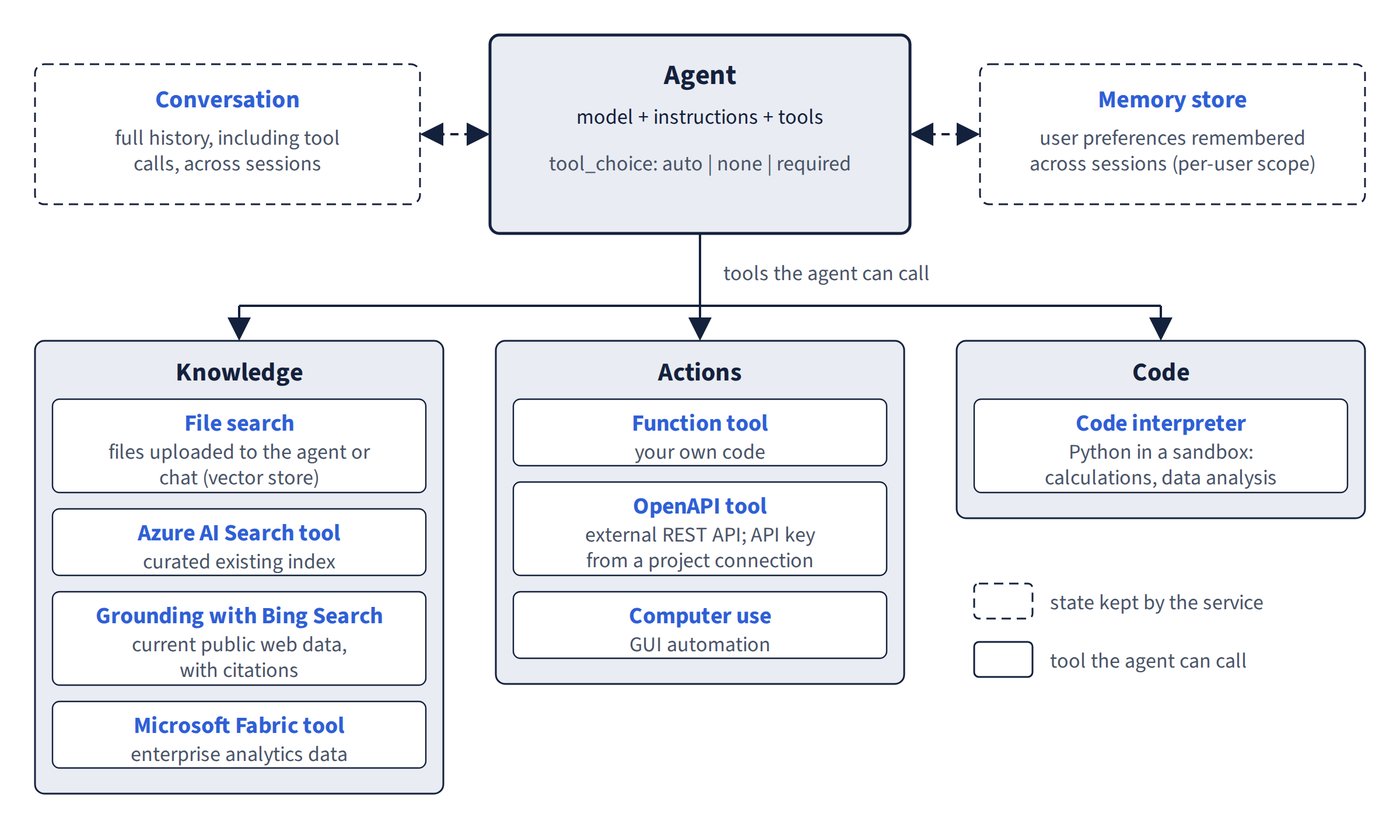
- Agents: Foundry Agent Service, tools including file search, Azure AI Search, web search, OpenAPI and MCP, memory, workflows and human oversight.
- Vision, language and speech: image and video generation, multimodal understanding, Azure Vision, text analysis, translation, speech and Voice Live agents.
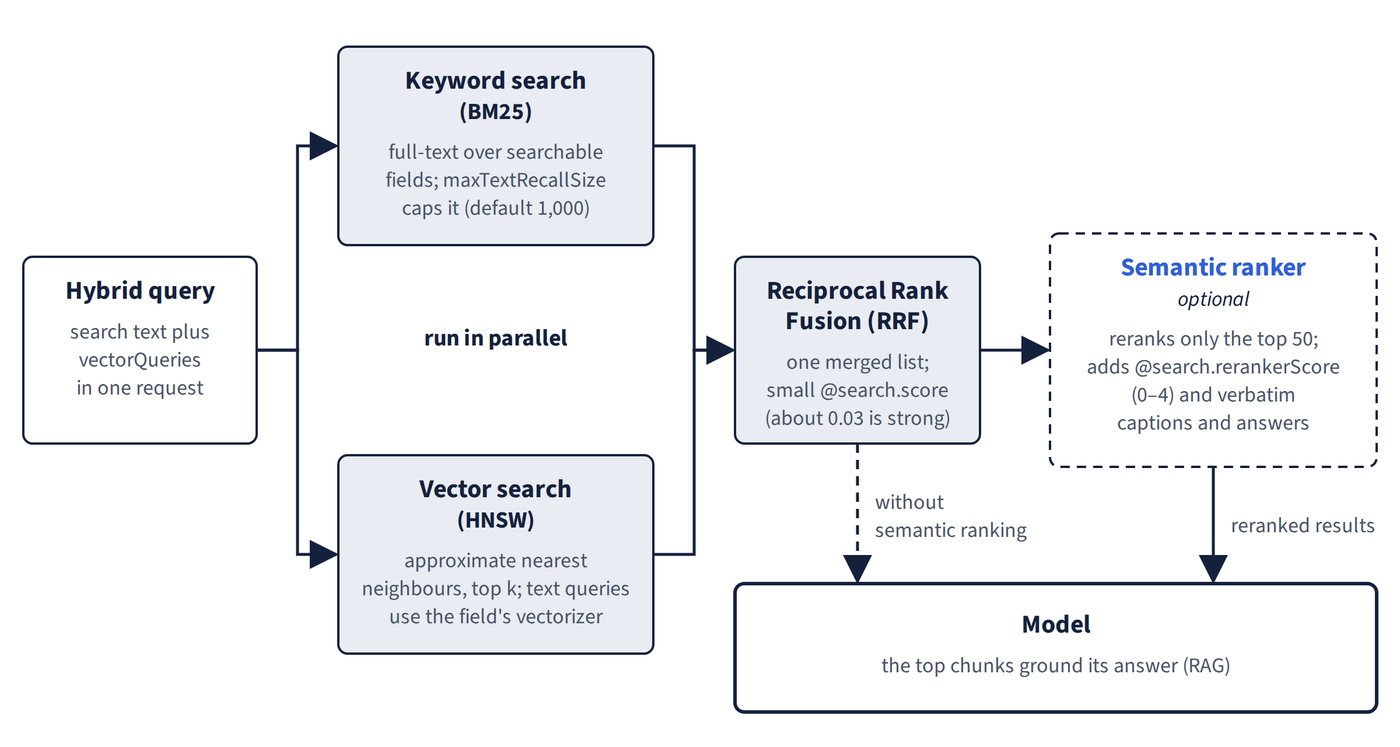
- Knowledge and extraction: Azure AI Search indexing, vector and hybrid search and retrieval-augmented generation, Content Understanding and Document Intelligence.
Inside
- Comparison tables for every close call, such as which service, which tool, which deployment type or which analyzer fits a requirement.
- 80+ Common trap callouts that name the answers that look right but aren't, and explain what's right instead.
- 10 diagrams, from Foundry resources and projects and guardrail intervention points to agent tools, voice agents, the indexer pipeline and hybrid queries.
- Key takeaways at the end of every chapter for fast revision.
- A glossary of nearly 500 terms, each linked to Microsoft Learn, with a free online version for print readers.
Up to date
Azure AI changes quickly. This edition reflects Microsoft's documentation as of October 2026, including recent retirements such as the Assistants API, DALL-E 3 and Speech intent recognition, and notes where older material and today's product differ.
Understanding, not memorising
This book contains no exam questions. It explains the knowledge the exam expects, so you can answer questions you have never seen and apply the same judgement to real AI solutions.
Written by Tony Rough, a cloud architect with more than twenty years in IT infrastructure who holds the Azure Solutions Architect Expert, Azure Administrator and Azure Security Engineer certifications.
Part of the Ultra Transcenders series from Distilled Press. An independent publication, not affiliated with, sponsored by or endorsed by Microsoft Corporation.