What's inside
DP-600 doesn't test whether you can find a menu. It tests whether you can choose the right data store, permission, transformation, storage mode or DAX pattern for an analytics requirement in Microsoft Fabric.
This independent study guide for the Microsoft Certified: Fabric Analytics Engineer Associate exam distils what DP-600 really expects you to understand into the comparisons, configuration choices and traps that analytics engineering decisions turn on, with short T-SQL, KQL, DAX, PySpark and Power Query examples throughout.
Organised by technology
Fifteen chapters, each readable on its own and together covering all three DP-600 skill areas:
- Maintain a data analytics solution: workspace roles and item permissions, row-, column-, object- and file-level security, OneLake security, sensitivity labels, endorsement, lineage and impact analysis; Git integration, Power BI projects, deployment pipelines, the XMLA endpoint and reusable assets such as templates and shared semantic models.
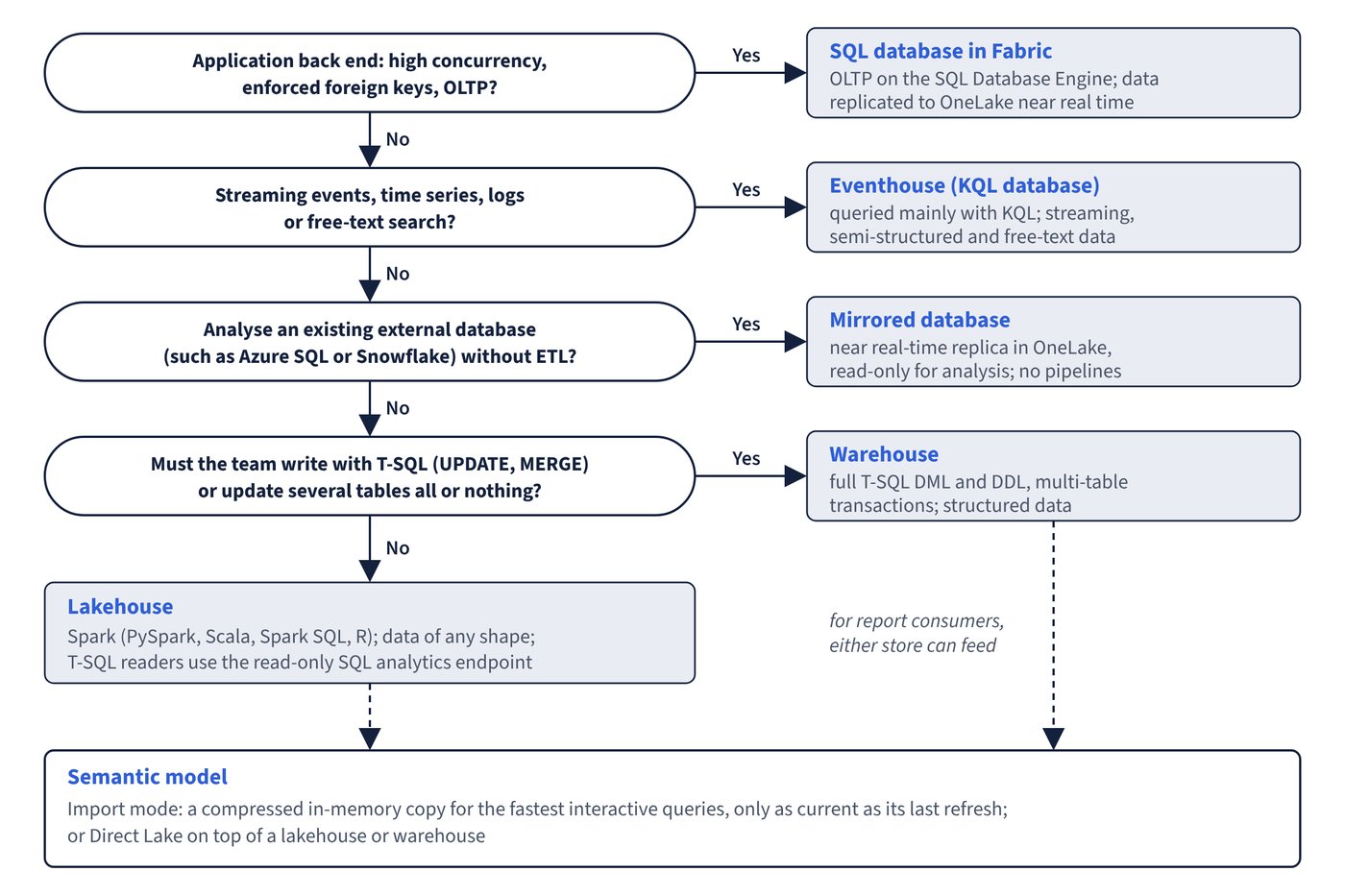
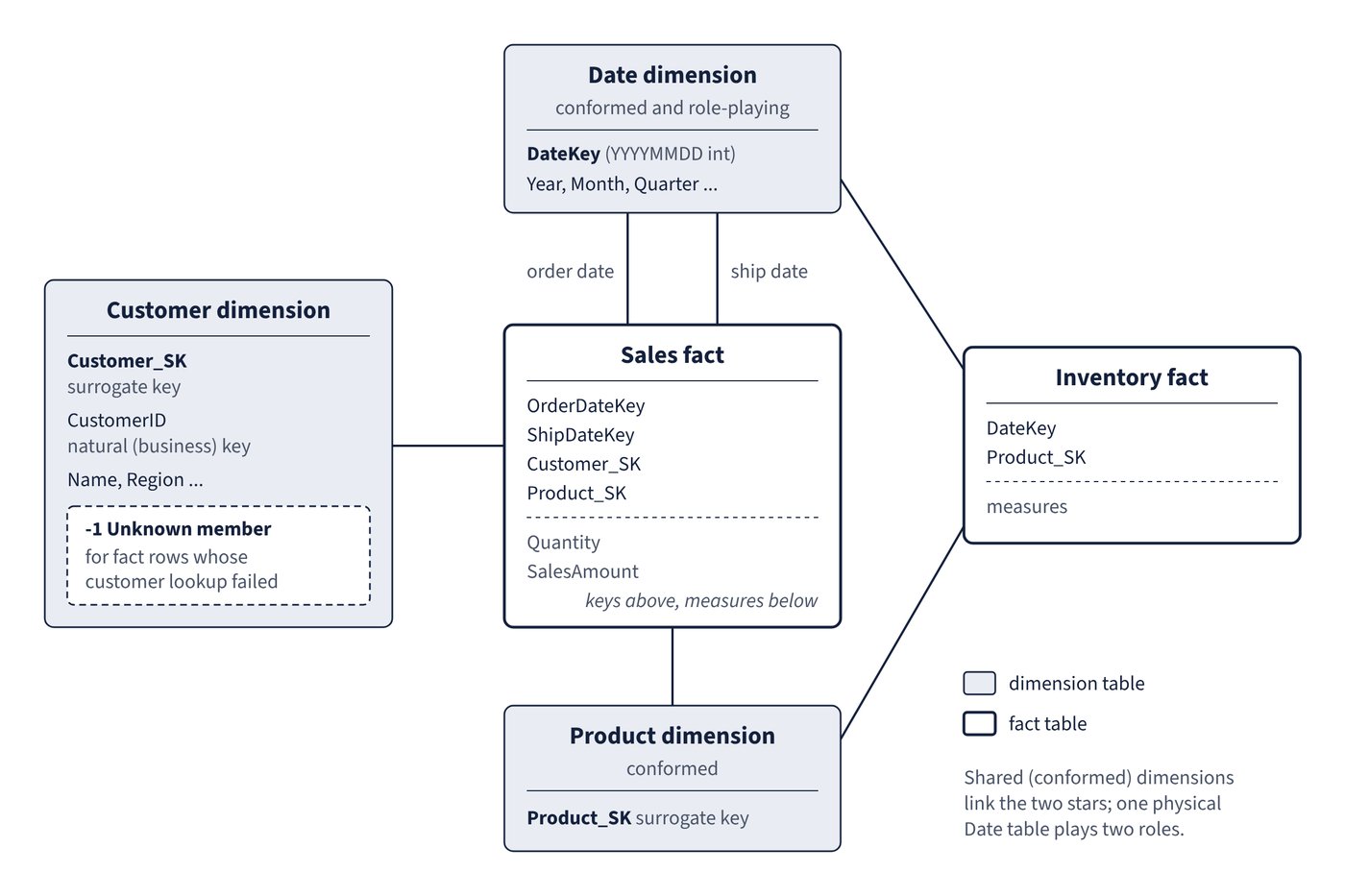
- Prepare data: capacities, OneLake and choosing between lakehouses, warehouses and eventhouses; connections, the OneLake catalog, Real-Time hub, shortcuts, mirroring, pipelines and Dataflow Gen2; Delta tables, V-Order and Spark transformations; warehouse T-SQL, views, functions and stored procedures; star schemas and slowly changing dimensions; Power Query and the visual query editor; Real-Time Intelligence and KQL.
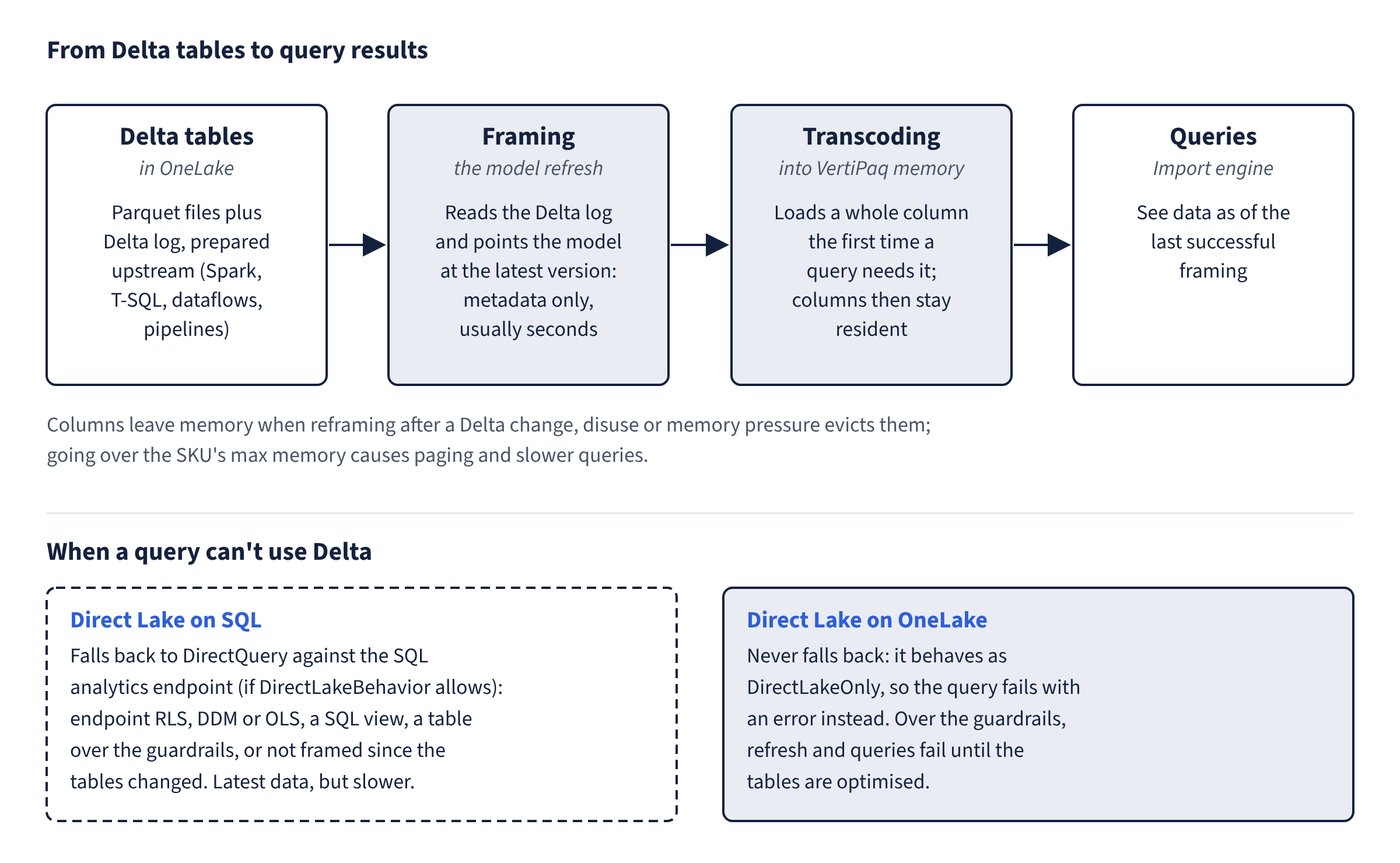
- Implement and manage semantic models: storage modes, star schemas, relationships, bridge tables and composite models; DAX variables, iterators, window and information functions, calculation groups, dynamic format strings and field parameters; performance tuning, Direct Lake on OneLake and on SQL, fallback and incremental refresh.
Inside
- Comparison tables for every close call, such as which data store, which permission, which ingestion tool or which storage mode fits a requirement.
- 178 Common trap callouts that name the answers that look right but aren't, and explain what's right instead.
- 15 diagrams, from the Fabric tenant hierarchy and the layers of access to star schemas, slowly changing dimensions, bridge tables and how Direct Lake works.
- Key takeaways at the end of every chapter for fast revision.
- A glossary of more than 500 terms, each linked to Microsoft Learn, with a free online version for print readers.
Up to date
Microsoft Fabric changes quickly. This edition reflects Microsoft's documentation as of October 2026 and the skills measured from 19 October 2026, and uses the current names and behaviour: semantic models (formerly datasets), Fabric Activator (formerly Data Activator), the OneLake catalog, Direct Lake on OneLake and on SQL, and lakehouses and warehouses without default semantic models.
Understanding, not memorising
This book contains no exam questions. It explains the knowledge the exam expects, so you can answer questions you have never seen and apply the same judgement to real analytics solutions.
Written by Tony Rough, a cloud architect with more than twenty years in IT infrastructure who holds the Azure Solutions Architect Expert, Azure Administrator and Azure Security Engineer certifications.
Part of the Ultra Transcenders series from Distilled Press. An independent publication, not affiliated with, sponsored by or endorsed by Microsoft Corporation.