What's inside
DP-750 doesn't test whether you can memorise syntax. It tests whether you can choose the right compute, privilege, table design, ingestion method, pipeline setting or job option for a data engineering requirement on Azure Databricks.
This independent study guide for the Microsoft Certified: Azure Databricks Data Engineer Associate exam distils what DP-750 really expects you to understand into the comparisons, configuration choices and traps that data engineering decisions turn on, with short SQL, PySpark, Databricks CLI and bundle YAML examples throughout.
Organised by technology
Eleven chapters, each readable on its own and together covering all four DP-750 skill areas:
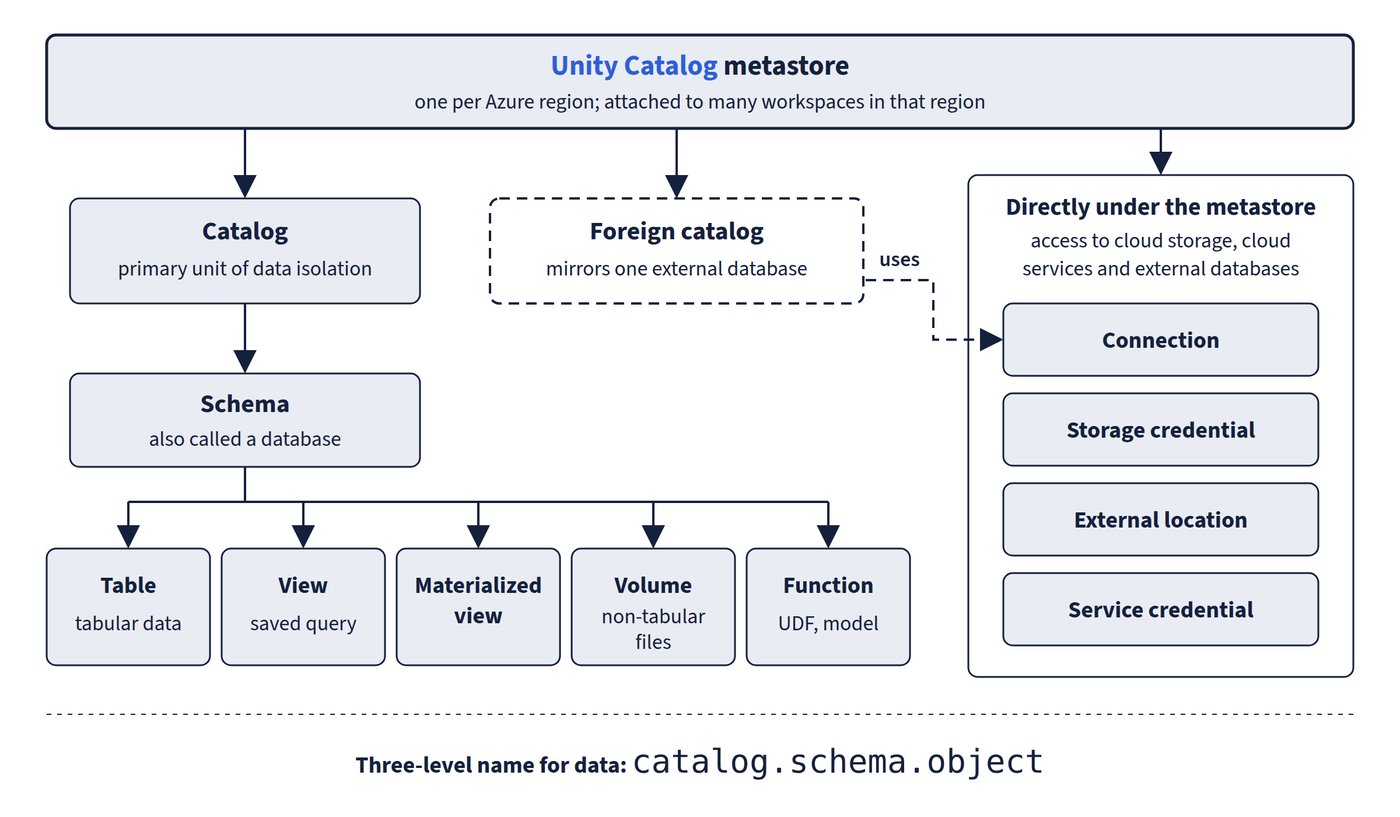
- Set up the environment: serverless, classic, job compute and SQL warehouses, access modes, autoscaling, Photon, libraries and permissions; catalogs, schemas, volumes, managed and external tables, views, materialized views, foreign catalogs and Genie.
- Secure and govern: Unity Catalog privileges and inheritance, row filters, column masks and ABAC policies, Key Vault-backed secret scopes, service principals and managed identities; comments, retention and time travel, lineage, audit logs and OpenSharing.
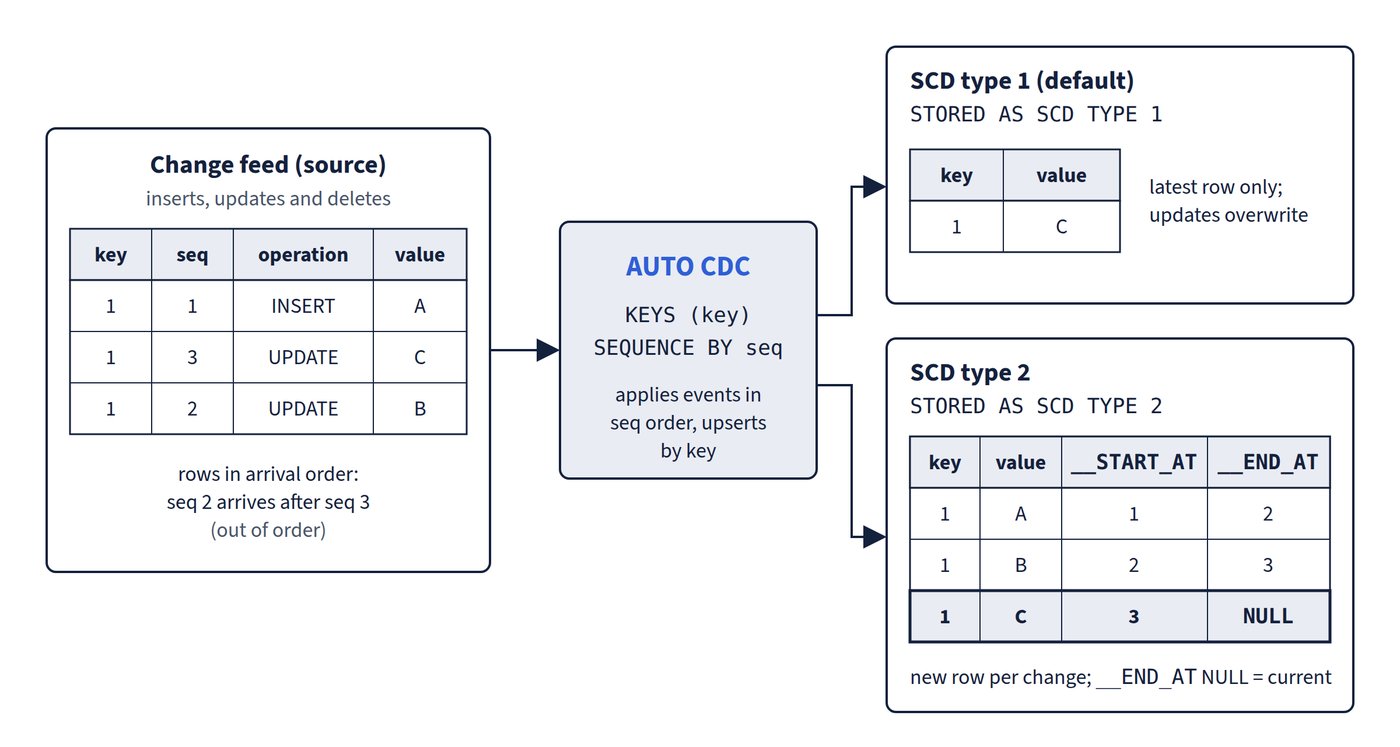
- Prepare and process data: table formats, SCD types, partitioning, liquid clustering and Z-ordering; Lakeflow Connect, COPY INTO, Auto Loader, Structured Streaming, Event Hubs and change data feeds; cleansing, MERGE, constraints and schema evolution; Lakeflow Spark Declarative Pipelines with expectations and AUTO CDC.
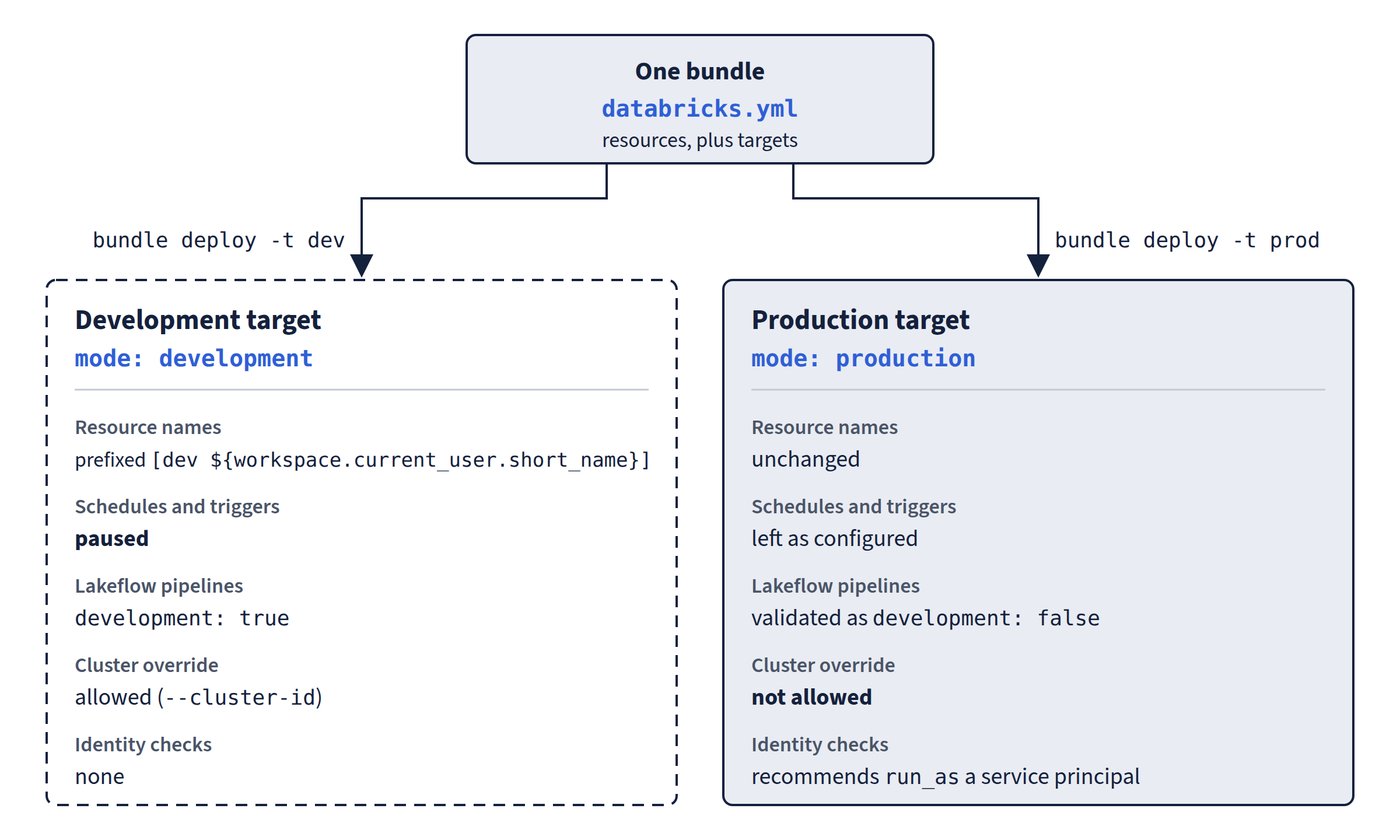
- Deploy and maintain: Lakeflow Jobs triggers, schedules, retries, notifications and repair runs; Git folders, testing and Declarative Automation Bundles; system tables, the Spark UI, query profile, OPTIMIZE, VACUUM and Azure Monitor.
Inside
- Comparison tables for every close call, such as which compute type, which privilege, which ingestion method or which trigger fits a requirement.
- 130 Common trap callouts that name the answers that look right but aren't, and explain what's right instead.
- 10 diagrams, from the Unity Catalog object model and time-travel retention to Auto Loader, AUTO CDC, job retries and task skew.
- Key takeaways at the end of every chapter for fast revision.
- A glossary of more than 350 terms, each linked to Microsoft Learn, with a free online version for print readers.
Up to date
Azure Databricks changes quickly. This edition reflects Microsoft's documentation as of October 2026 and uses the current names: Lakeflow Spark Declarative Pipelines (formerly Delta Live Tables), OpenSharing (formerly Delta Sharing), Declarative Automation Bundles (formerly Databricks Asset Bundles) and AUTO CDC (formerly APPLY CHANGES).
Understanding, not memorising
This book contains no exam questions. It explains the knowledge the exam expects, so you can answer questions you have never seen and apply the same judgement to real data platforms.
Written by Tony Rough, a cloud architect with more than twenty years in IT infrastructure who holds the Azure Solutions Architect Expert, Azure Administrator and Azure Security Engineer certifications.
Part of the Ultra Transcenders series from Distilled Press. An independent publication, not affiliated with, sponsored by or endorsed by Microsoft Corporation.