What's inside
DP-800 doesn't test whether you can recite syntax. It tests whether you can choose the right table design, T-SQL function, security feature, isolation level or search method for an AI-enabled database requirement.
This independent study guide for the Microsoft Certified: SQL AI Developer Associate exam distils what DP-800 really expects you to understand into the comparisons, configuration choices and traps that database development decisions turn on, across SQL Server 2025, Azure SQL and SQL database in Microsoft Fabric, with T-SQL examples throughout.
Organised by technology
Fourteen chapters, each readable on its own and together covering all three DP-800 skill areas:
- Design and develop database solutions: data types, rowstore and columnstore indexes, constraints and sequences, memory-optimized, temporal, external, ledger and graph tables, JSON columns and indexes, partitioning, views, functions, procedures and triggers, error handling, CTEs, window functions, JSON, regular expression and fuzzy matching functions, and AI-assisted development with GitHub Copilot, Copilot in Fabric and MCP.
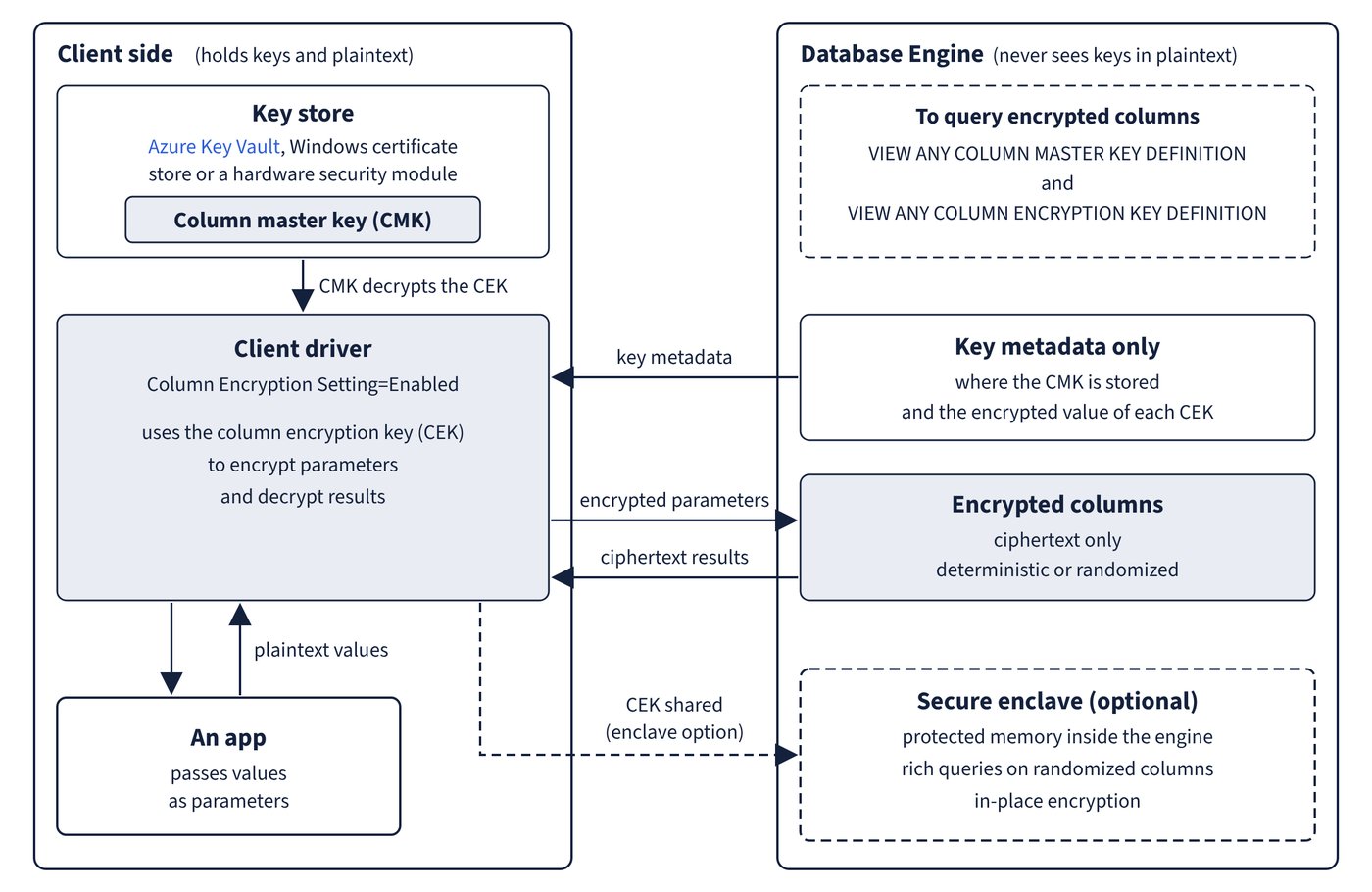
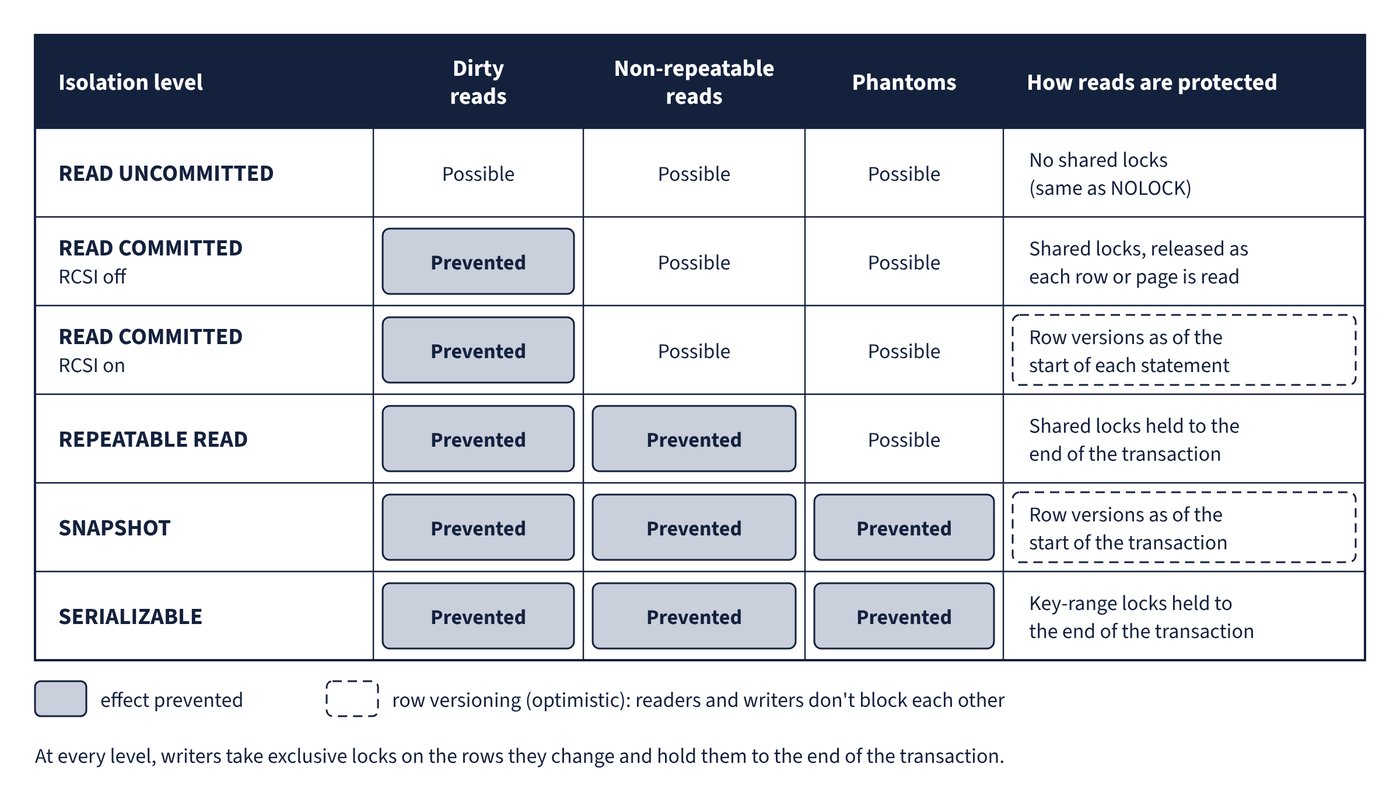
- Secure, optimise and deploy: Always Encrypted, column-level encryption, Dynamic Data Masking, row-level security and permissions, passwordless access, auditing, securing model, REST, GraphQL and MCP endpoints, isolation levels and optimized locking, execution plans, Query Store and deadlocks, CI/CD with SQL Database Projects, Data API builder, Azure Monitor and change event streaming, CDC and change tracking.
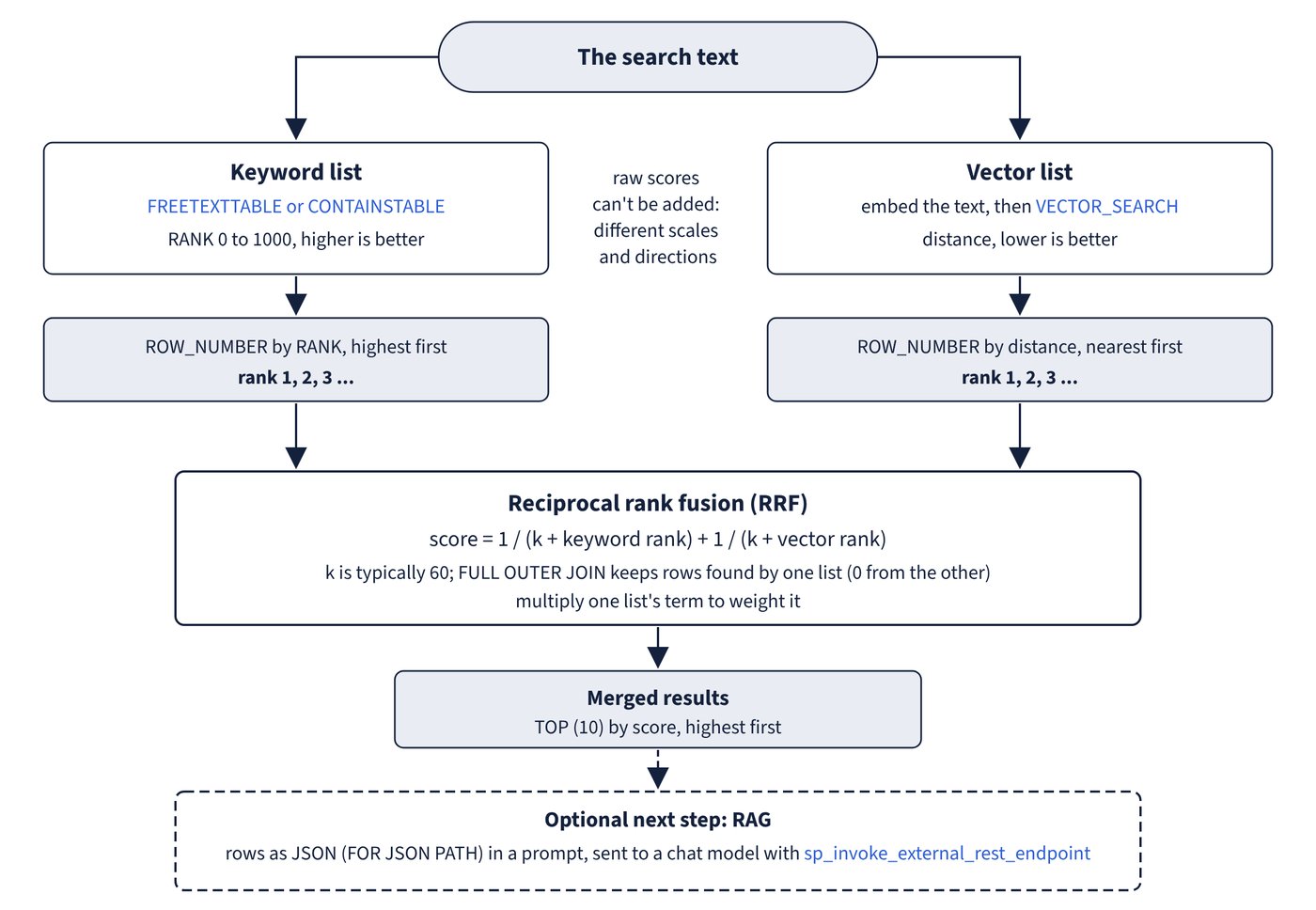
- Implement AI capabilities: external models, chunking and embeddings and keeping them current, full-text, vector and hybrid search, vector indexes and VECTOR_SEARCH, reciprocal rank fusion and retrieval-augmented generation with sp_invoke_external_rest_endpoint.
Inside
- Comparison tables for every close call, such as which specialised table, which encryption feature, which isolation level or which change-handling option fits a requirement.
- 172 Common trap callouts that name the answers that look right but aren't, and explain what's right instead.
- 14 diagrams, from columnstore rowgroups and temporal tables to Always Encrypted, isolation levels, Data API builder and hybrid search.
- Key takeaways at the end of every chapter for fast revision.
- A glossary of more than 400 terms, each linked to Microsoft Learn, with a free online version for print readers.
Up to date
Microsoft's SQL platforms change quickly. This edition reflects Microsoft's documentation as of October 2026 and the skills measured from 19 October 2026, including SQL Server 2025, the json and vector data types, vector indexes, regular expression functions, Data API builder 2.0, change event streaming and Microsoft Foundry.
Understanding, not memorising
This book contains no exam questions. It explains the knowledge the exam expects, so you can answer questions you have never seen and apply the same judgement to real databases.
Written by Tony Rough, a cloud architect with more than twenty years in IT infrastructure who holds the Azure Solutions Architect Expert, Azure Administrator and Azure Security Engineer certifications.
Part of the Ultra Transcenders series from Distilled Press. An independent publication, not affiliated with, sponsored by or endorsed by Microsoft Corporation.