What's inside
OGEA-102 doesn't ask what the ADM is. It describes an organisation in a tight spot and asks what a practising architect should do next.
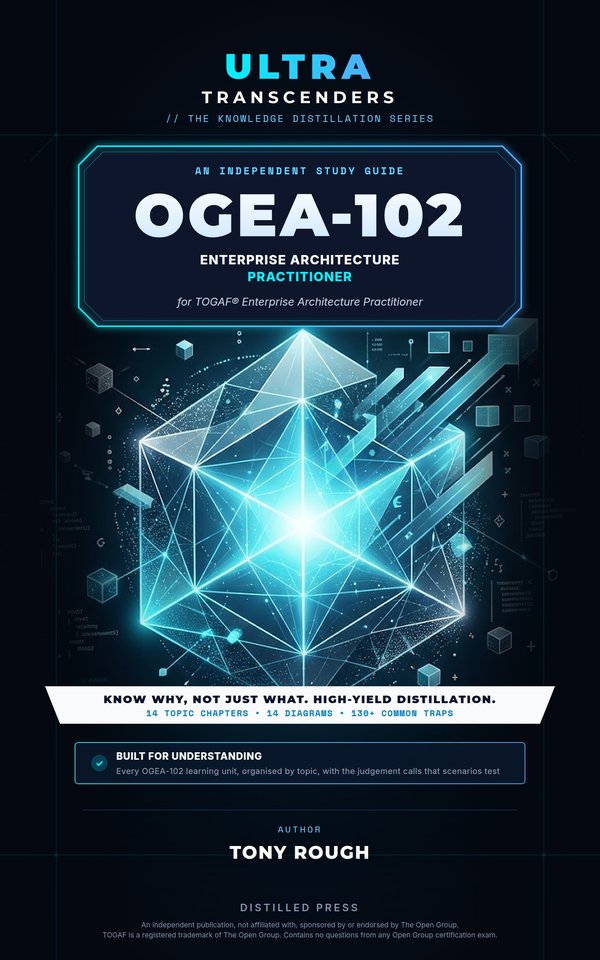
This independent study guide for the TOGAF® Enterprise Architecture Practitioner certification (exam OGEA-102, TOGAF Enterprise Architecture Part 2) distils the judgement the Practitioner syllabus expects into working rules, comparison tables and the traps that catch experienced people. It follows The Open Group's published Level 2 syllabus and reflects the TOGAF Standard, 10th Edition.
Organised by topic
Fourteen chapters, each readable on its own and together covering every Practitioner learning unit:
- Context and governance: guiding effective change, the Architecture Capability, Architecture Governance and compliance reviews, alignment with Agile delivery, managing current, target, transition and candidate states, and the digital enterprise.
- Stakeholders and trade-offs: the Stakeholder Management technique, stakeholder maps and the Communications Plan, architecture views, and the Architecture Alternatives and Trade-offs technique.
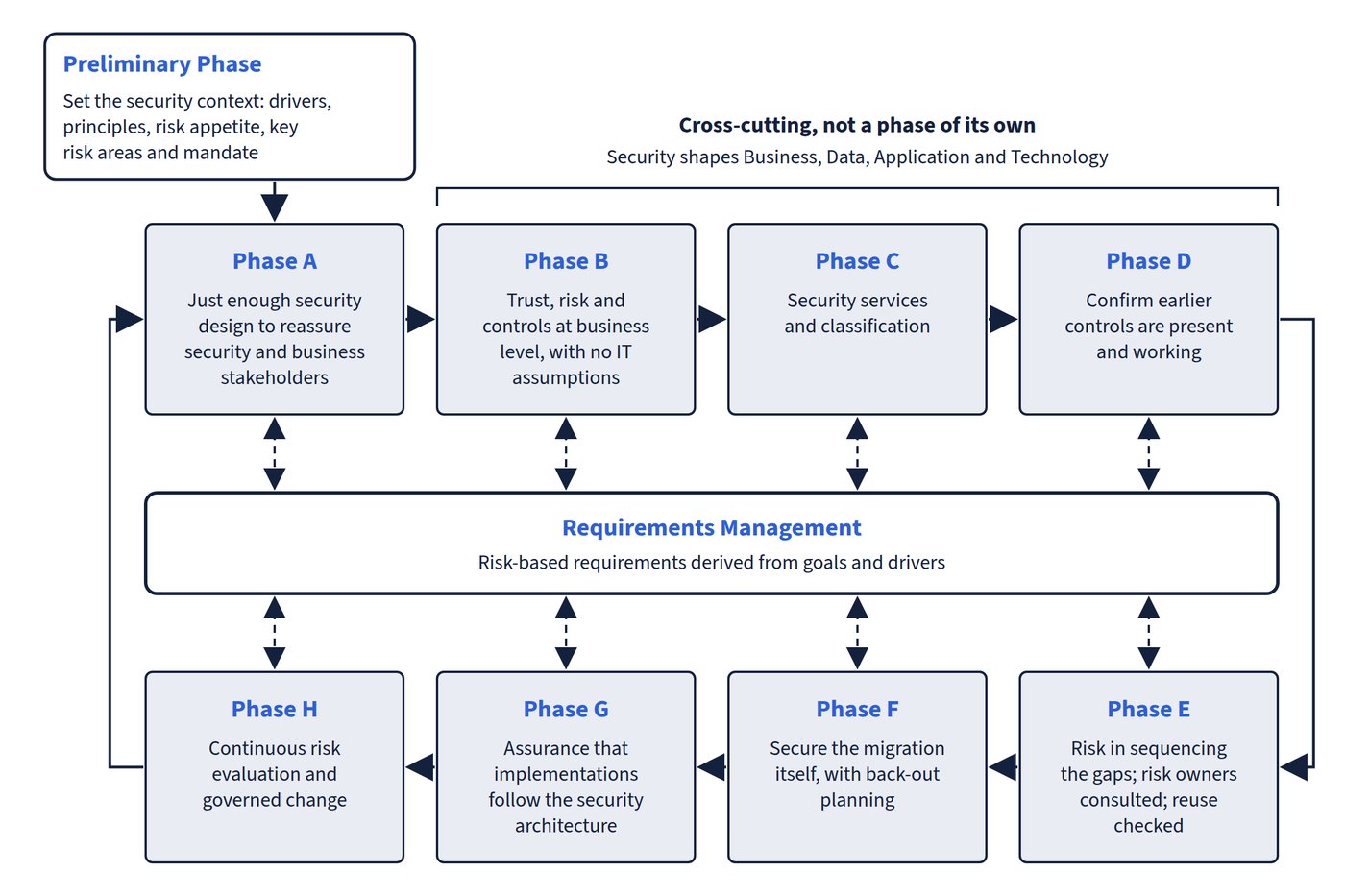
- Security and risk: Enterprise Security Architecture, security as a cross-cutting concern, and risk assessment from the Preliminary Phase to Phase H.
- The ADM in practice: Phase A, the Business Architecture toolkit and business scenarios, Phases C and D, the Implementation and Migration Strategy, work packages and Transition Architectures, migration planning, Architecture Contracts, Phase H and Requirements Management.
- Supporting the work: the Architecture Repository and Standards Library, architecture levels, Architecture Building Blocks, the Content Framework and the Enterprise Metamodel.
Inside
- Applying it in scenarios sections in every chapter: the best-fit course of action for a situation, the tempting alternative, and why it falls short.
- 130+ Common trap callouts that name the choices that look right but aren't, and explain what's right instead.
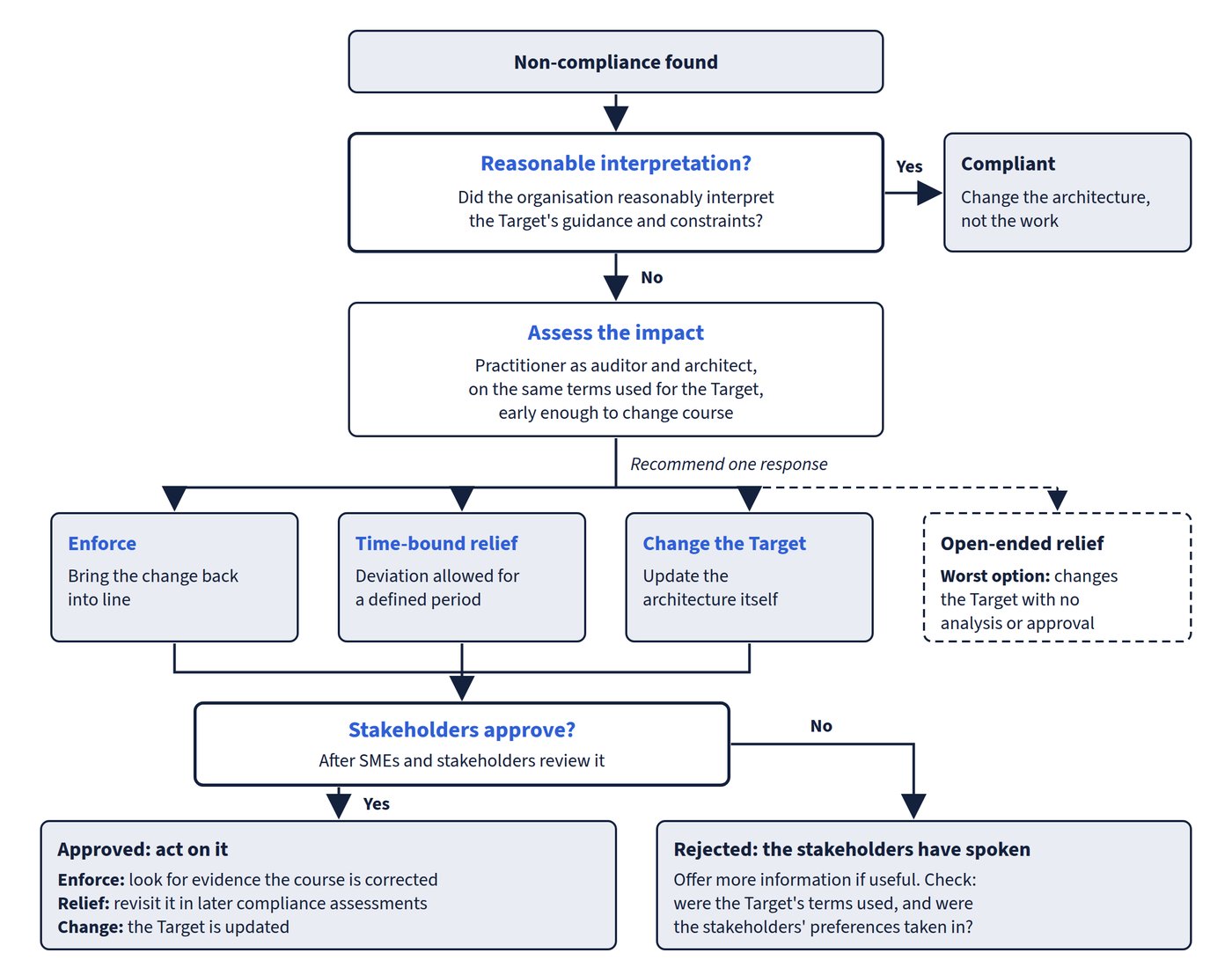
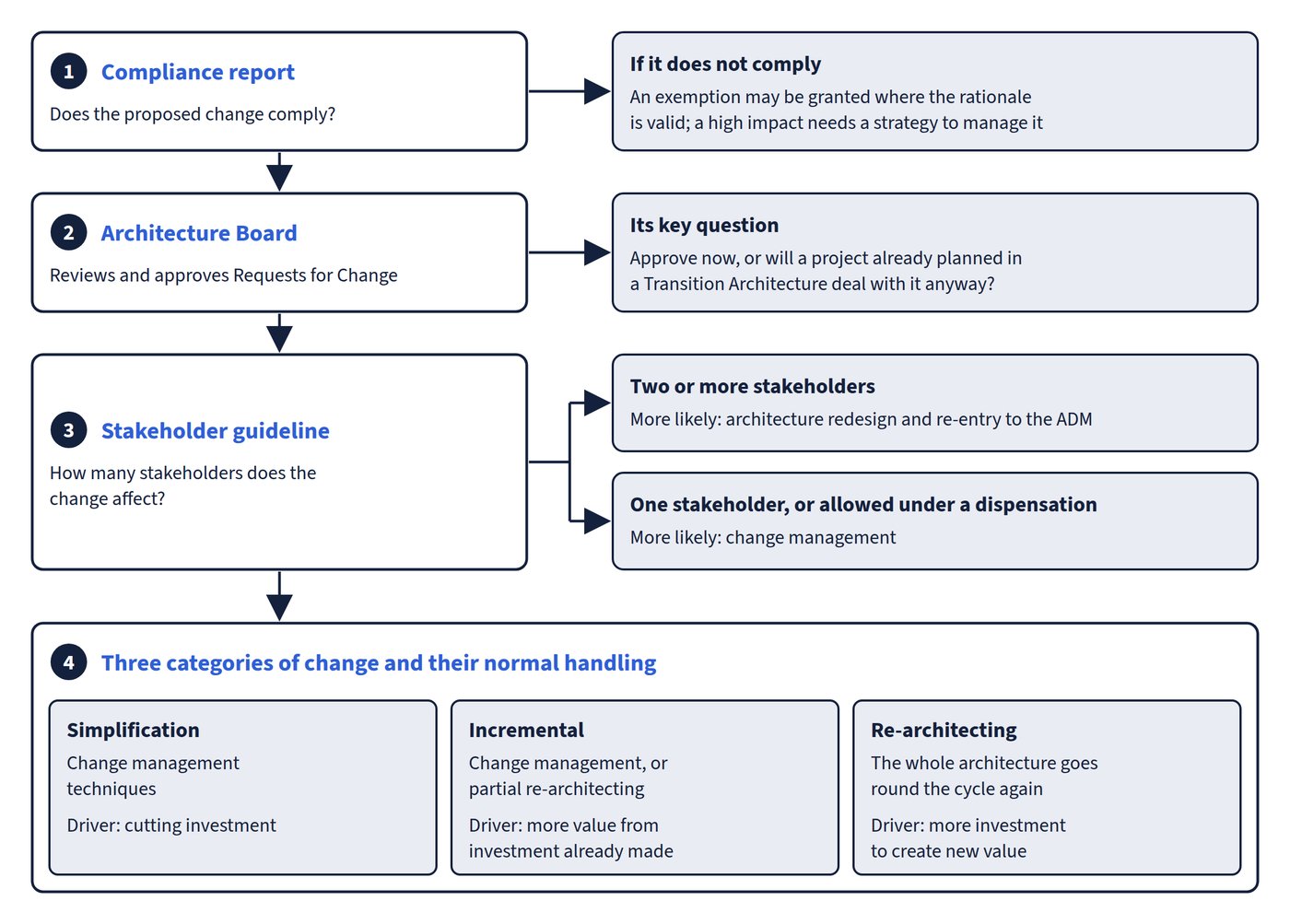
- 14 original diagrams, from handling non-compliance and the four architecture states to choosing an implementation approach and sizing a change in Phase H.
- Key takeaways at the end of every chapter for fast revision.
- A glossary of more than 110 terms, each linked to the relevant part of the TOGAF Standard, with a free online version for print readers.
Understanding, not memorising
This book contains no questions from any Open Group certification exam and does not reproduce the TOGAF Standard. It explains the reasoning the syllabus expects, so you can weigh situations you have never seen and carry the same judgement into real architecture work.
Written by Tony Rough, a cloud architect with more than twenty years in IT infrastructure who holds the Azure Solutions Architect Expert, Azure Administrator and Azure Security Engineer certifications.
Part of the Ultra Transcenders series from Distilled Press. TOGAF is a registered trademark of The Open Group. An independent publication, not affiliated with, sponsored by or endorsed by The Open Group.