An independent study guide for the Databricks Certified Generative AI Engineer Associate exam · by Tony Rough
Know which Databricks AI feature fits the application, why, and what breaks.
Due on Amazon in December 2026, in Kindle and paperback editions.
This independent study guide for the Databricks Certified Generative AI Engineer Associate exam turns the exam outline into the decisions, code patterns and traps that building RAG applications and agents on Databricks depends on, written from Databricks' own documentation. Databricks has renamed or retired much of this area since the exam guide was written, so the book maps each name in the guide to its current name and status.
Each chapter can be read on its own, and together they cover all six sections of the exam:
There are no exam questions in this book. It explains the knowledge the exam looks for, so you can reason through scenarios you have never seen and bring the same judgement to a real application.
Written by Tony Rough, a cloud architect with over twenty years in IT infrastructure, who designs data platforms for the organisations he works with.
Part of the Ultra Transcenders series from Distilled Press. An independent publication, not affiliated with, sponsored by or endorsed by Databricks, Inc. Databricks, Delta Lake and Unity Catalog are trademarks of Databricks, Inc. or their respective owners.
Every skill area in Databricks's DBX-GENAI outline (as of March 18, 2026), and the chapters that cover it.
| Skill area | Weight | Chapters |
|---|---|---|
| Section 1: Design Applications | 14% | 1, 2, 3 |
| Section 2: Data Preparation | 14% | 4, 5, 6, 7 |
| Section 3: Application Development | 30% | 2, 5, 8, 9, 10, 13, 14 |
| Section 4: Assembling and Deploying Applications | 22% | 6, 7, 9, 10, 11, 12 |
| Section 5: Governance | 8% | 13 |
| Section 6: Evaluation and Monitoring | 12% | 8, 14, 15 |
Plus an appendix glossary of 300+ terms, each linked to the Databricks documentation, with the same terms explained free online for print readers.
Short excerpts from the book, exactly as they appear in it, so you can see how it explains things.
The opening of chapter 1 · Chapter 1: From business need to LLM solution
A business request does not arrive as a pipeline. It arrives as “help support staff answer faster” or “pull the terms out of these contracts”, and the engineer’s first job is to turn that into inputs, outputs, model tasks and components. This chapter covers that translation, how to split a large problem into steps, and how to choose between a direct model call, a batch AI Function, a RAG chain and an agent. Prompt wording itself belongs to Chapter 2, and agent tool design to the chapter on designing agents.
A comparison table · Chapter 1: From business need to LLM solution · Current names for the products in the exam guide
The exam guide was written against older names, and several products have since been renamed or moved to legacy status. The table maps each name so that the rest of this book can use the current one.
| Name in the exam guide | Name or status on current pages | What changes for a designer |
|---|---|---|
| Mosaic AI Vector Search | Databricks AI Search (formerly Databricks Vector Search) | Code still uses the old word: the vector_search SQL function and VectorSearchRetrieverTool |
| Genie Spaces | Genie Agents (formerly Genie Spaces) | Low-code agents over tables and documents; a custom agent can call one as a tool |
| AI Gateway | Unity Gateway; the older product is “legacy AI Gateway” | Governs models, MCP servers and skills from one place |
| Agent Bricks (no-code builders) | Agent Bricks is now the developer platform for agents written in code | The old builders are not what the name means today |
| Knowledge Assistant | Legacy; not for new agents | Genie Agents for low-code agents; Agent Bricks CLI for code |
| Multiagent Supervisor | Supervisor Agent (legacy); not for new systems | Genie Agents for low-code; Agent Bricks CLI to coordinate in code |
| Information Extraction | Current as an Agent Bricks UI over ai_extract; the earlier version is legacy |
Use the UI to validate, the function to scale |
A common trap · Chapter 1: From business need to LLM solution · Current names for the products in the exam guide
Common trap: Assuming Agent Bricks still means a no-code wizard - on current pages it is the code-first developer platform, apart from the document-processing UI in the table above, and low-code agents over documents and data are built with Genie Agents instead.


Some sections of the book, free to read online:
Which chunking method suits which kind of document.
What decides between the two endpoint types for an index.
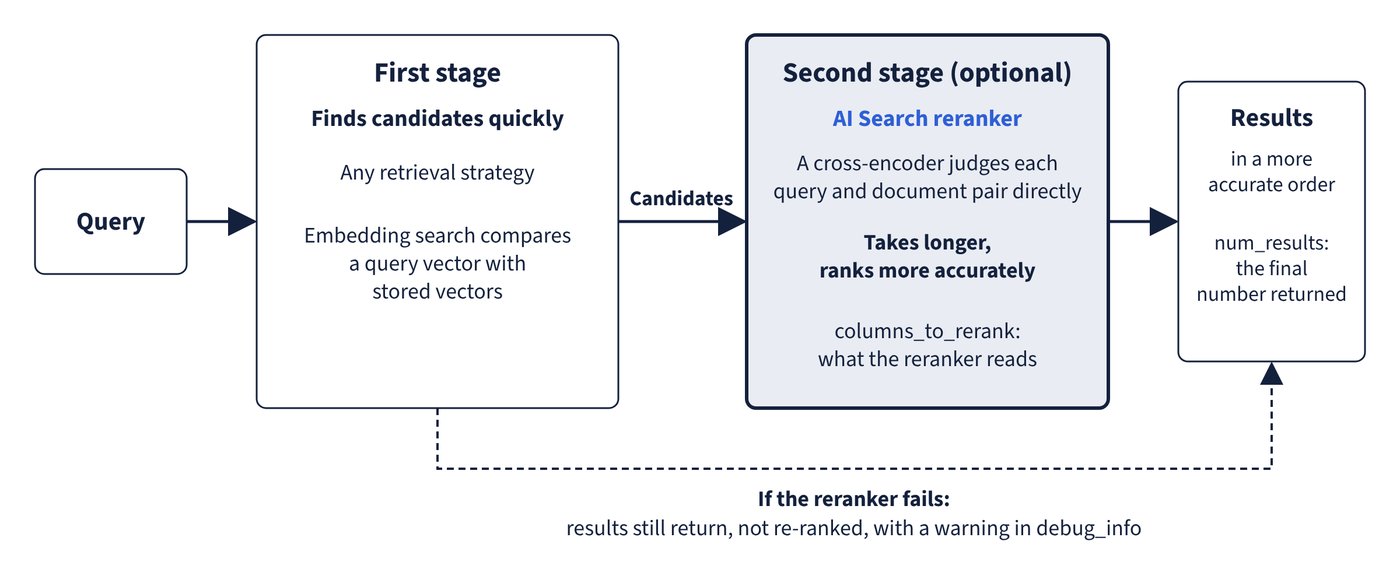
What a reranker adds to retrieval, and what it costs.
How to choose a framework for a generative AI application.
What signatures and input examples do when logging a model.
Which workloads suit ai_query(), and how to run them.
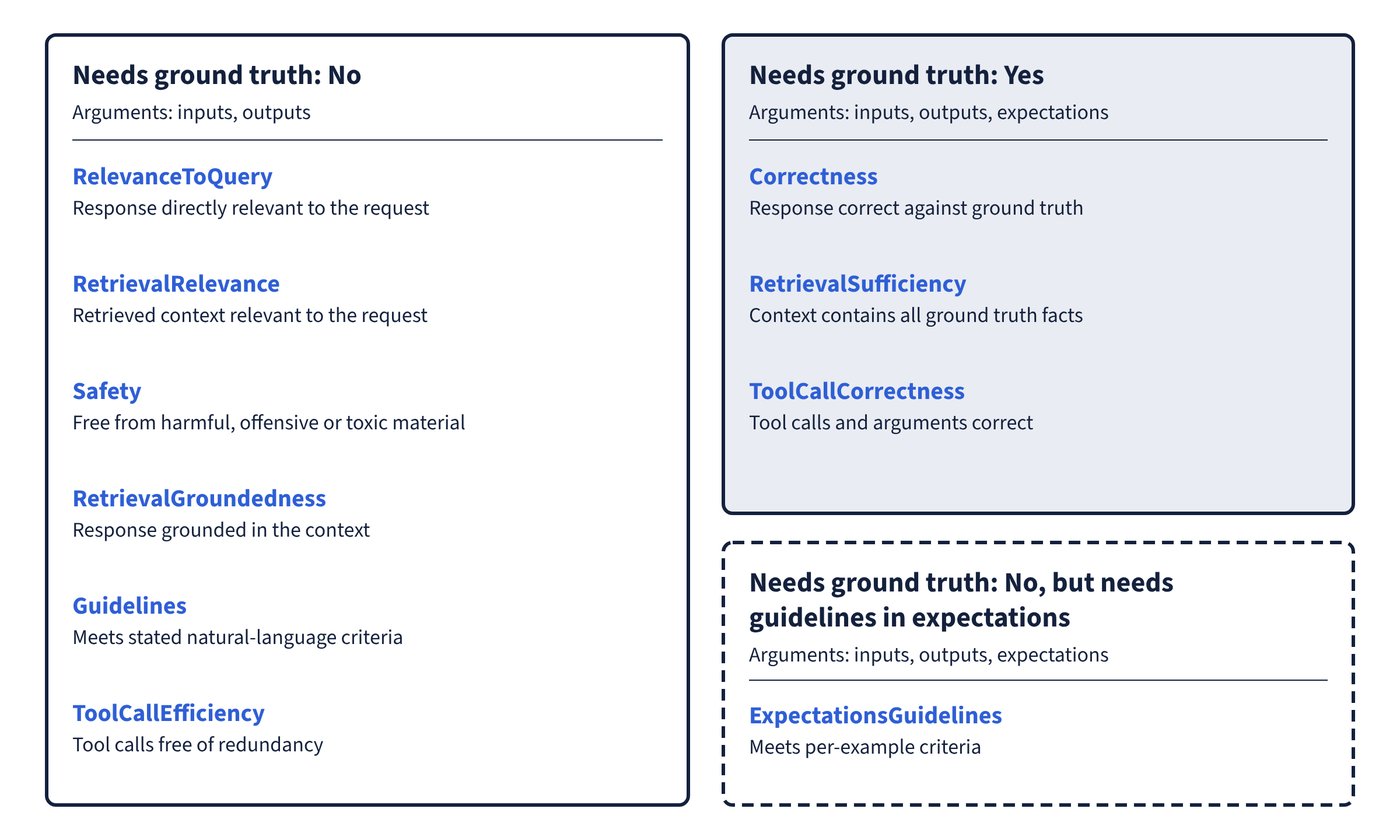
The built-in judges that need expected answers, and those that don't.
How the evaluation and monitoring phases of a generative AI application differ.
A free week-by-week plan through the book at a 4-week or 8-week pace, with the study notes and exam skill areas for each week.