What's inside
2V0-16.25 isn't about remembering where a menu lives. It's about knowing which vSphere Foundation setting, policy, switch or VCF Operations feature meets a requirement, and why the alternatives fall short.
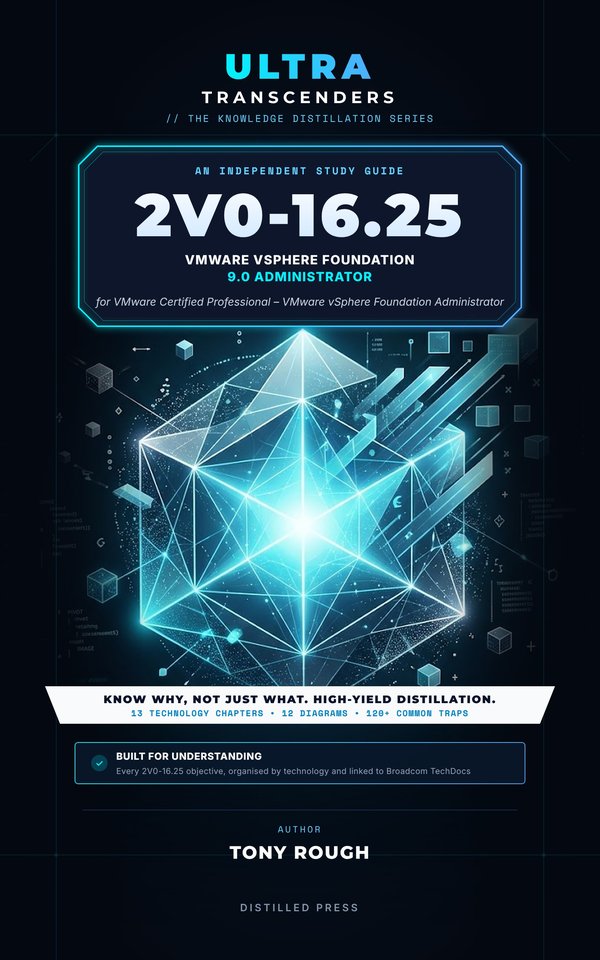
This independent study guide for the VMware Certified Professional – VMware vSphere Foundation Administrator (VCP-VVF Administrator) exam turns what 2V0-16.25 expects you to understand into the comparisons, decisions and traps that day-to-day VVF administration depends on. The exam is based on VMware vSphere Foundation 9.0, and the book is too, written from Broadcom's own 9.0 documentation.
Organised by technology
Thirteen chapters, each one readable on its own, that together cover every exam objective:
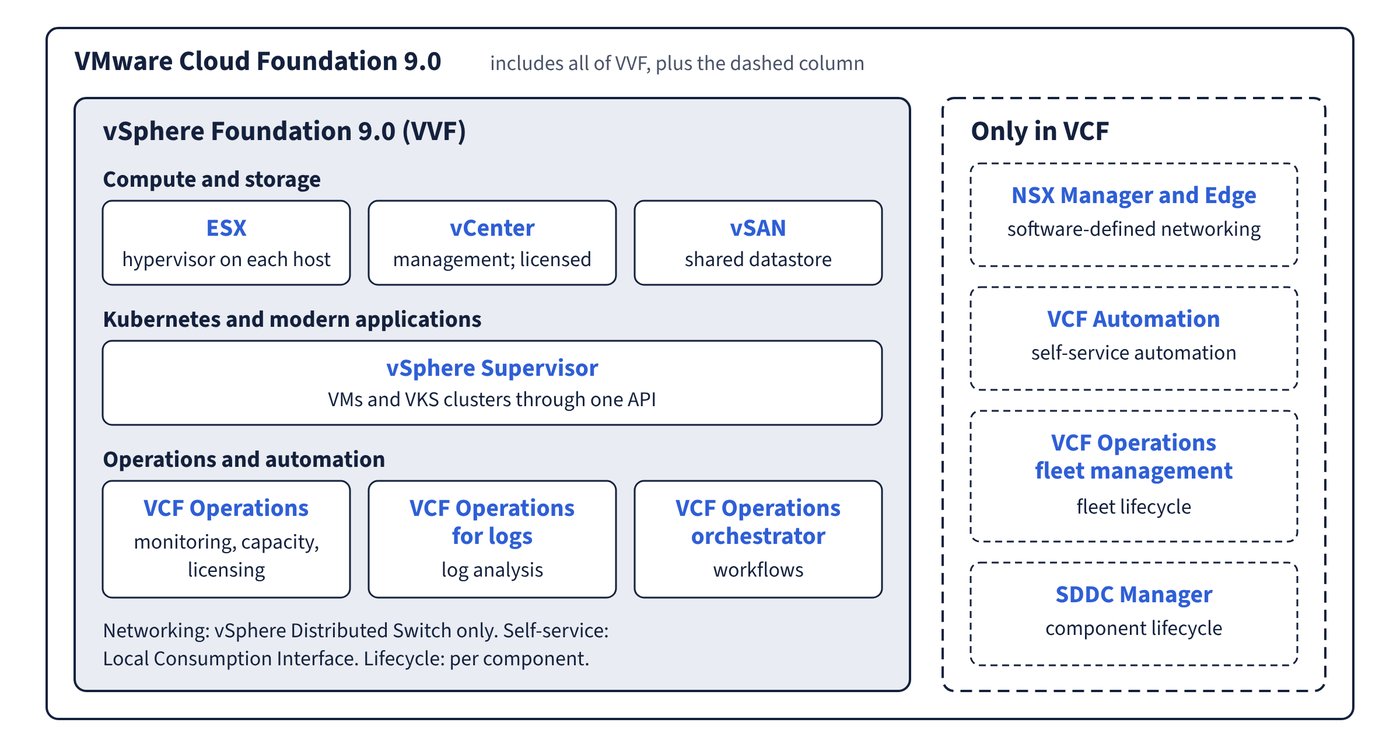
- Platform and deployment: virtualisation principles, how VVF differs from VMware Cloud Foundation, the VCF Installer, new deployments and converging an existing vSphere environment.
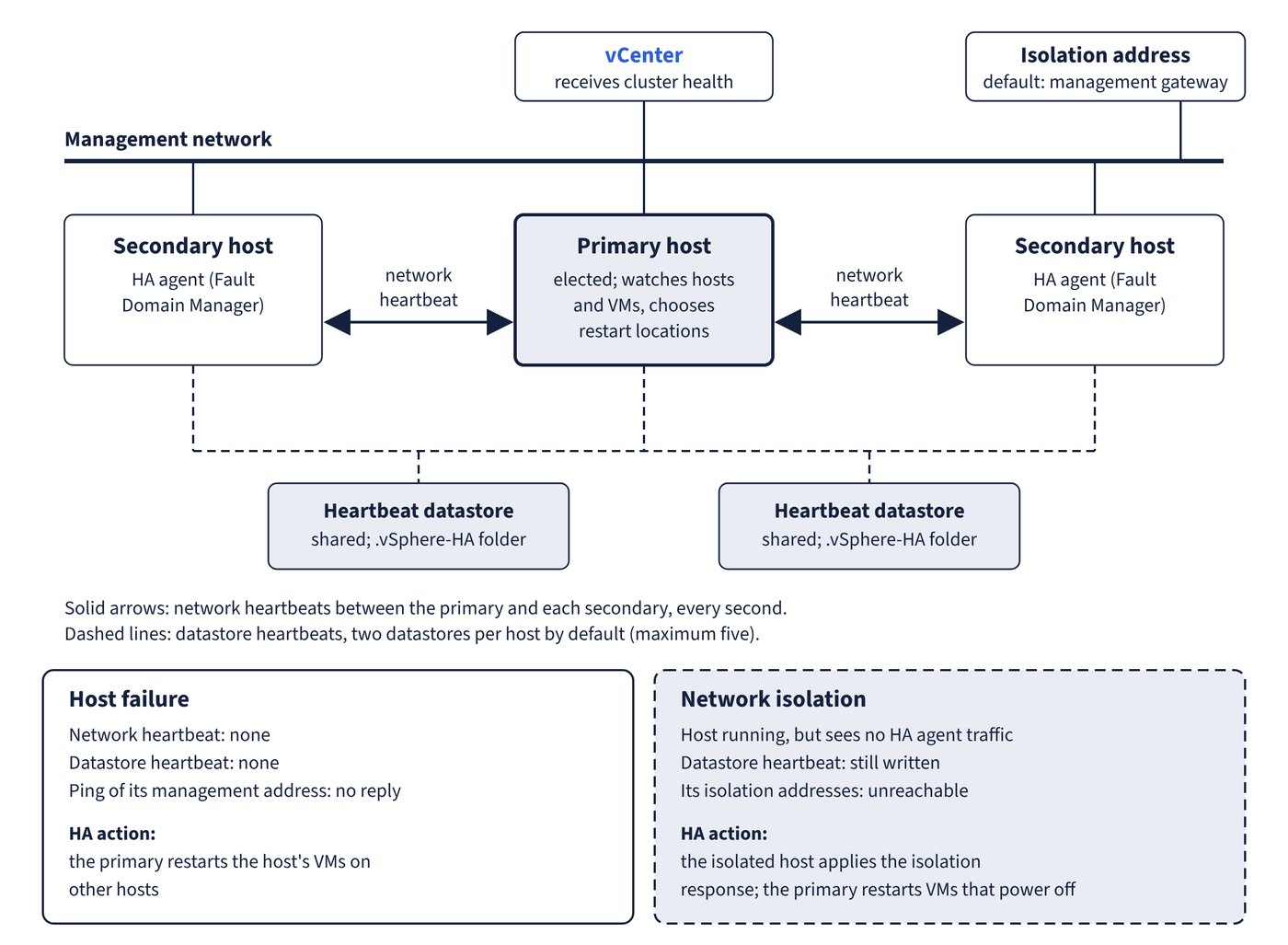
- Hosts, clusters and VMs: ESX and vCenter, lockdown mode, Host Profiles, vSphere HA and admission control, DRS, Enhanced vMotion Compatibility, resource pools, vSphere Cluster Services, vMotion, Fault Tolerance and Content Libraries.
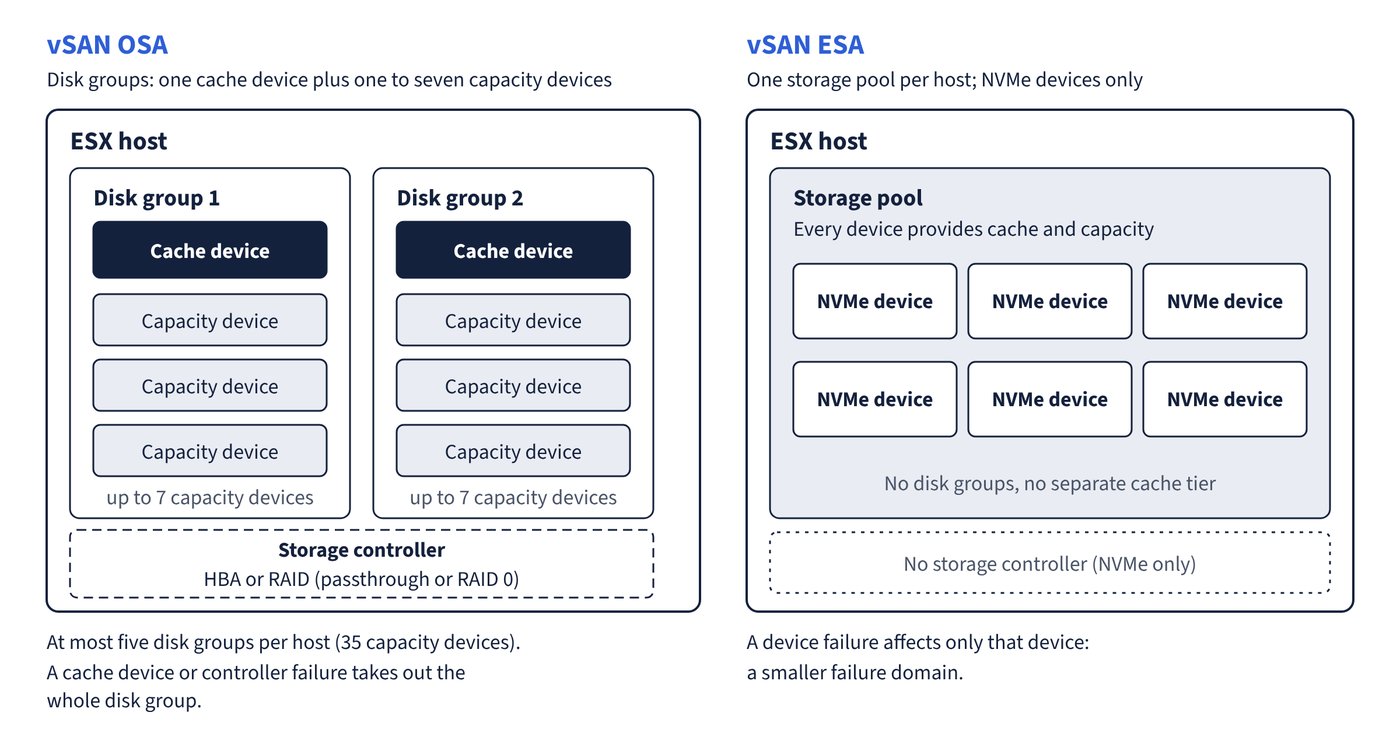
- Security, storage and networking: key providers, vSphere Virtual Machine Encryption and vTPM, datastores and multipathing, vSAN ESA and OSA, storage policies, resilience and space efficiency, and standard and distributed switches, NIC teaming and Network I/O Control.
- Manage and modernise: vCenter Single Sign-On and identity federation, roles and permissions, licensing, certificates, vSphere Lifecycle Manager, and vSphere Supervisor with the VM Service, vSphere Kubernetes Service and vSphere Pods.
- Operate: VCF Operations deployment options, metrics, properties, alerts, policies, views, reports, dashboards, costing, Telegraf application monitoring and Service Discovery, then VCF Operations for logs, Explore Logs, content packs and VCF Operations orchestrator.
Inside
- Comparison tables for each close call, such as which admission control policy, which vSAN architecture, which RAID choice or which Content Library type suits a requirement.
- 129 Common trap callouts that point out the options that seem right but aren't, including the names that changed in 9.0.
- 12 diagrams, covering what VVF includes, the deployment order, HA heartbeats, resource pools, Content Library publishing, key providers, vSAN ESA and OSA, switches, Supervisor networking and VCF Operations for logs.
- Key takeaways closing every chapter for quick revision.
- A glossary of 400+ terms, each linked to Broadcom TechDocs, with a free online version for readers of the print edition.
Understanding, not memorising
There are no exam questions in this book. It explains the knowledge the exam looks for, so you can reason through questions you have never seen and bring the same judgement to a real vSphere Foundation environment.
Written by Tony Rough, a cloud architect with over twenty years in IT infrastructure, whose VMware certifications began with vSphere data centre virtualisation and went on to the VCAP-DCD and VCAP-DCA in data centre design and administration.
Part of the Ultra Transcenders series from Distilled Press. An independent publication, not affiliated with, sponsored by or endorsed by Broadcom Inc. VMware, VMware vSphere Foundation and vSphere are trademarks of Broadcom Inc. and/or its subsidiaries.