Cover of Ultra Transcenders SC-500: Implementing End-to-End Security Controls for Cloud and AI Workloads
ULTRA TRANSCENDERS · AN INDEPENDENT STUDY GUIDE

SC-500 Implementing End-to-End Security Controls for Cloud and AI Workloads

An independent study guide for Microsoft Certified: Cloud and AI Security Engineer Associate · by Tony Rough

Know which control enforces it, and why.

  • 16 chapters
  • 12 diagrams
  • 100+ common traps
  • 800+ glossary terms
  • Kindle Unlimited
Amazon.co.ukKindlePaperback
Amazon.comKindlePaperback

Free to read with Kindle Unlimited. Opens Amazon in a new tab.

Free glossary of the book's terms

First edition · published September 2026

What's inside

SC-500 doesn't test where a setting lives in the portal. It tests whether you know which control enforces a requirement, and why.

This independent study guide for the Microsoft Certified: Cloud and AI Security Engineer Associate exam distils what SC-500 really expects you to understand into the comparisons, least-privilege choices and traps that security decisions turn on. SC-500 replaced AZ-500 in 2026, so the book carries forward the AZ-500 knowledge that is still examined and adds what the new exam asks about AI workloads and security operations.

Organised by technology

Sixteen chapters, each readable on its own and together covering all four SC-500 skills areas:

Inside

Up to date

Cloud and AI security changes quickly. This edition reflects Microsoft's documentation as of October 2026, including recent retirements and renamed products, and notes where the traditional answer and today's product differ.

Understanding, not memorising

This book contains no exam questions. It explains the knowledge the exam expects, so you can answer questions you have never seen and apply the same judgement to real environments.

Written by Tony Rough, a cloud architect with more than twenty years in IT infrastructure who holds the Azure Solutions Architect Expert, Azure Administrator and Azure Security Engineer certifications.

Part of the Ultra Transcenders series from Distilled Press. An independent publication, not affiliated with, sponsored by or endorsed by Microsoft Corporation.

Is this book for you?

Which certification, which book?

Exam coverage

Every skill area in Microsoft's SC-500 outline, and the chapters that cover it.

Skill areaWeightChapters
Manage identity, access, and governance20–25%1, 2, 3, 4, 14
Secure storage, databases, and networking25–30%5, 6, 7, 8, 9, 14
Secure compute20–25%4, 10, 11, 12, 13, 14
Manage and monitor security posture20–25%10, 14, 15, 16

See every objective and where the book covers it

Chapters

  1. Microsoft Entra ID: Privileged Identity Management, Conditional Access and authentication
  2. Application identities, consent and managed identities
  3. Azure Key Vault
  4. Governance: Azure Policy, roles, locks and backup protection
  5. Securing Azure Storage
  6. Securing Azure SQL and open-source databases
  7. Network security: NSGs, ASGs, Virtual Network Manager and Network Watcher
  8. Private and hybrid access: Virtual WAN, VPN, Entra Private Access and Private Link
  9. Azure Firewall
  10. Securing servers and virtual machines
  11. Securing containers: Defender for Containers, AKS, ACR, ACI and Container Apps
  12. Securing App Service, Functions, Logic Apps, WAF and API Management
  13. Securing AI workloads and agents
  14. Managing security posture with Microsoft Defender for Cloud
  15. Microsoft Sentinel: collection, automation and retention
  16. Microsoft Security Copilot

Plus an appendix glossary of 800+ terms, each linked to Microsoft Learn, with the same terms explained free online for print readers.

Look inside

Short excerpts from the book, exactly as they appear in it, so you can see how it explains things.

The opening of chapter 1 · Chapter 1: Microsoft Entra ID: Privileged Identity Management, Conditional Access and authentication

Microsoft Entra ID (Azure AD) is the identity control plane for everything else in this book, so securing it comes first. This chapter covers how Privileged Identity Management (PIM) makes administrative access just-in-time and time-bound, how Conditional Access decides whether a sign-in is allowed and under what conditions, and which authentication methods you can offer users, from passwordless sign-in to Temporary Access Pass and certificates. Read it as a toolkit: PIM controls who holds privilege and for how long, Conditional Access controls how access is granted, and the authentication methods policy controls which credentials users can present.

A comparison table · Chapter 1: Microsoft Entra ID: Privileged Identity Management, Conditional Access and authentication · Passwordless methods and Microsoft Authenticator

Microsoft Entra ID supports several authentication methods, and they differ in whether they replace the password or only add a second factor. The authentication methods policy enables and targets them; Conditional Access only requires them.

Method Passwordless? Deciding point
Microsoft Authenticator (Passwordless or Any mode) Yes Phone sign-in and passkeys on mobile (iOS and Android); number matching
Microsoft Authenticator (Push mode) No Second factor after a password
Windows Hello for Business Yes Windows with compatible hardware only
FIDO2 security key Yes, phishing-resistant User needs a physical key; no number or location shown
Certificate-based authentication Yes Needs PKI and a certificate per user
Hardware OATH token / Authenticator OATH code No Second factor with a password
SMS / voice call No One-time code only; not helpdesk-issued, no controllable expiry

A common trap · Chapter 1: Microsoft Entra ID: Privileged Identity Management, Conditional Access and authentication · PIM alerts and access reviews

Common trap: Expecting another user to receive a confirmation request after a self-review - access reviews have no such confirmation step; the reviewer’s decision is the result, applied (or not) according to the auto-apply settings.

Want more? Amazon offers a longer free sample of the Kindle edition on its Kindle page.

Sample diagrams

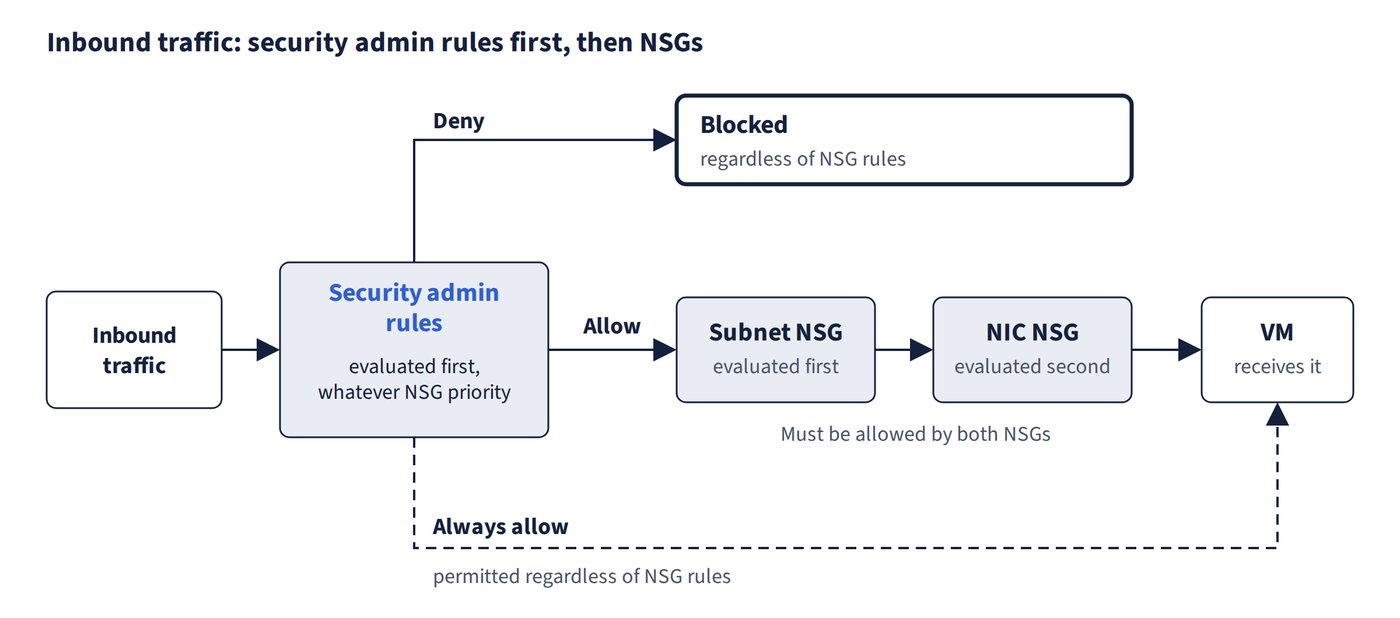
Inbound traffic meets Virtual Network Manager security admin rules before any NSG
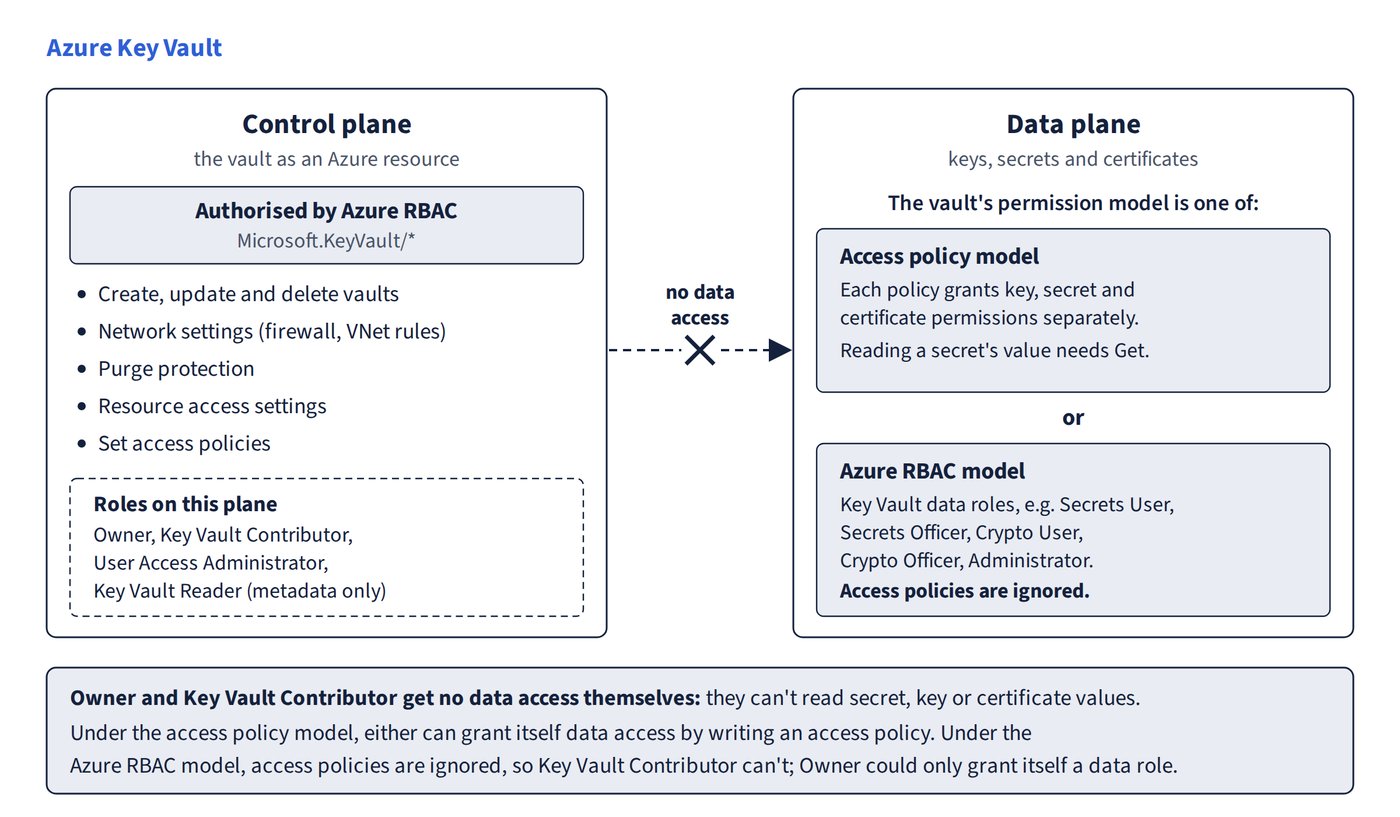
Key Vault's control plane and data plane are authorised separately
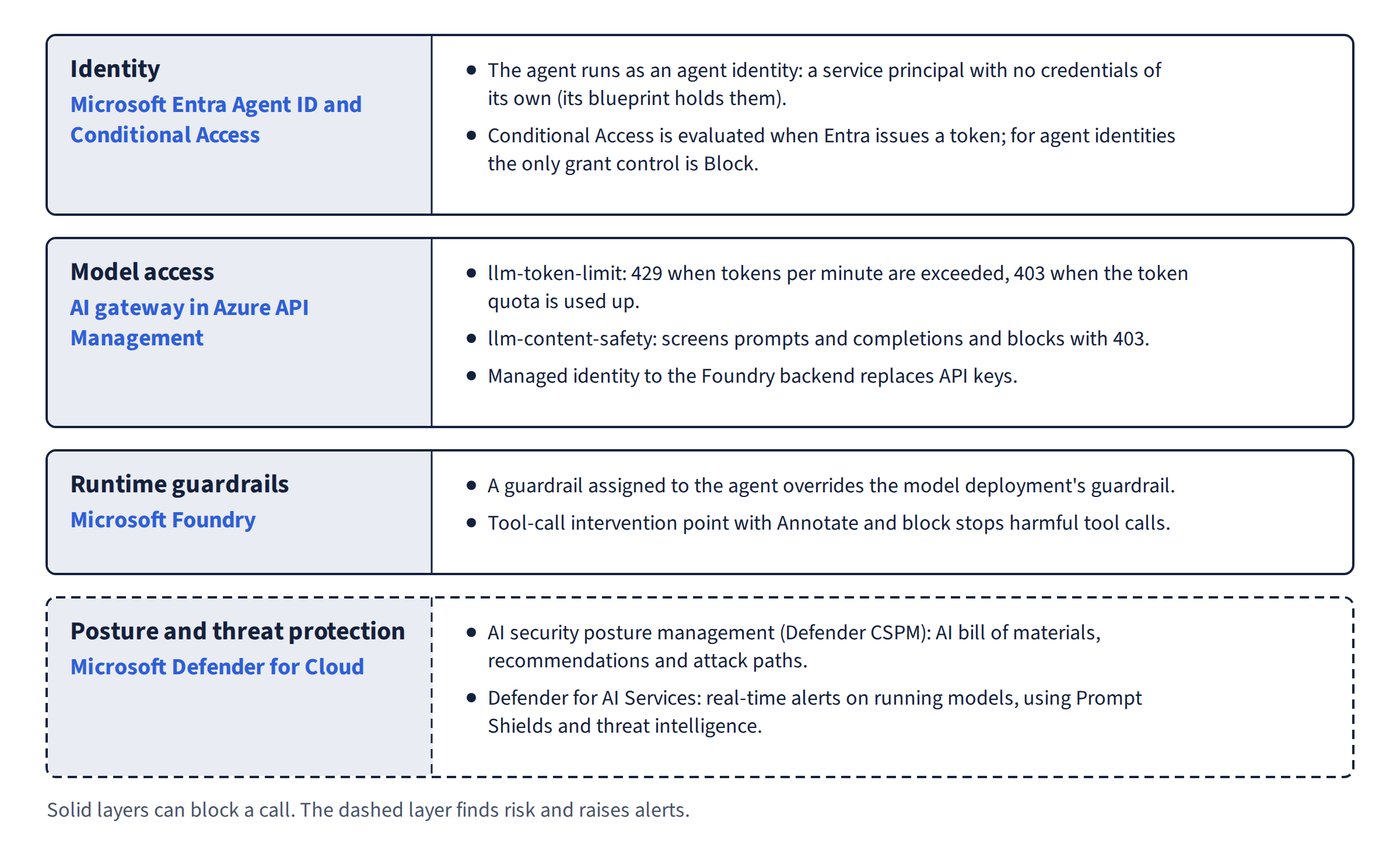
Layers of security for AI agents and model access

Free study notes

Some sections of the book, free to read online:

Study plan

A free week-by-week plan through the book at a 4-week or 8-week pace, with the study notes and exam skill areas for each week.

Open the SC-500 study plan

Watch: SC-500 concepts

Short videos on the ideas this exam likes to trap, about five minutes each.

Plays from YouTube when you press play · Watch on YouTube

Private Endpoint vs Service Endpoint in Azure

How each one locks an Azure service down to your network, the on-premises trap, DNS and data exfiltration, and a five-second way to choose. Read the write-up

Plays from YouTube when you press play · Watch on YouTube

Azure RBAC vs Microsoft Entra Roles

Two separate role systems: why a subscription Owner can't reset a password, why a Global Administrator can't see a VM, and the one bridge between them. Read the write-up

Hear when SC-500 is free on Kindle

An email when an Ultra Transcenders book is free on Kindle, and when a new book for SC-500 comes out. Sign up and you also get the free exam-day checklist: booking, ID, the online check-in and what to expect on the day.

We'll email you to confirm first. A few emails a month at most, no spam, unsubscribe any time. The list is run by Kit; see the privacy notice.

From the blog

About the author

Tony Rough is a cloud architect with more than twenty years in IT infrastructure, designing Azure platforms for UK organisations at a Microsoft partner. He holds the Azure Solutions Architect Expert, Azure Administrator and Azure Security Engineer certifications and has passed more than thirty Microsoft exams. Ultra Transcenders is the series he wished he'd had.